
A new shoe adhesive evaluation should cover more than the purchase price. A new adhesive may affect material treatment, machine settings, worker actions, stock planning, and finished shoe quality
The review should cover two separate areas:
- Process transition cost: What resources are needed before and after the adhesive switch?
- Mass-production risk: What problems may appear after the new adhesive enters full production?
Process Transition Cost: What Is Needed to Complete the Switch?
Process transition cost means all resources used during the change. It can be divided into four groups: testing, production, organization, and supply chain.
1. Testing and Validation Cost
Testing checks whether the new adhesive meets current material, process, and quality needs.
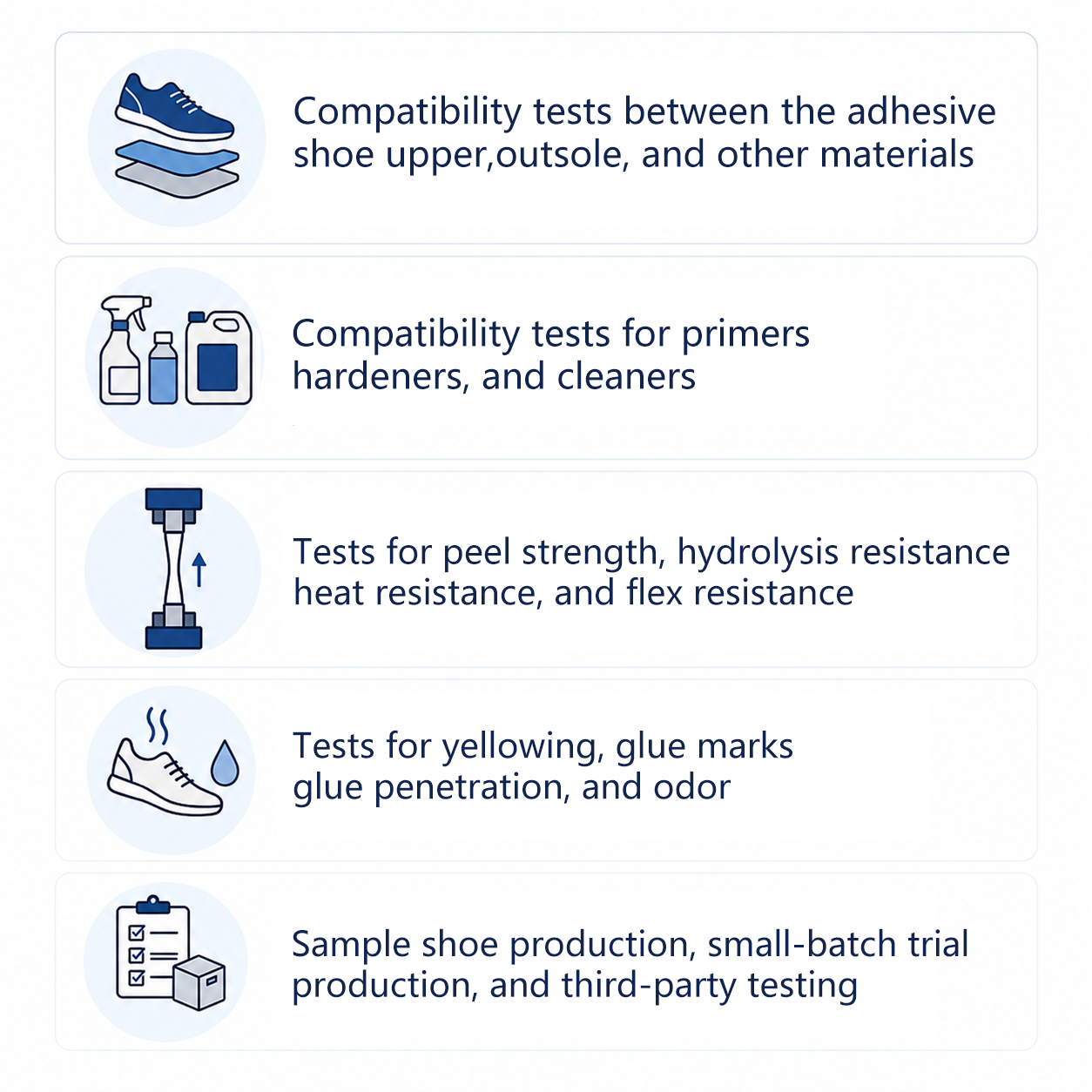
More material combinations and stricter customer standards mean longer tests and higher validation costs.
2. Production System Conversion Cost
This cost covers changes to machines, settings, and production lines so they can use the new adhesive.
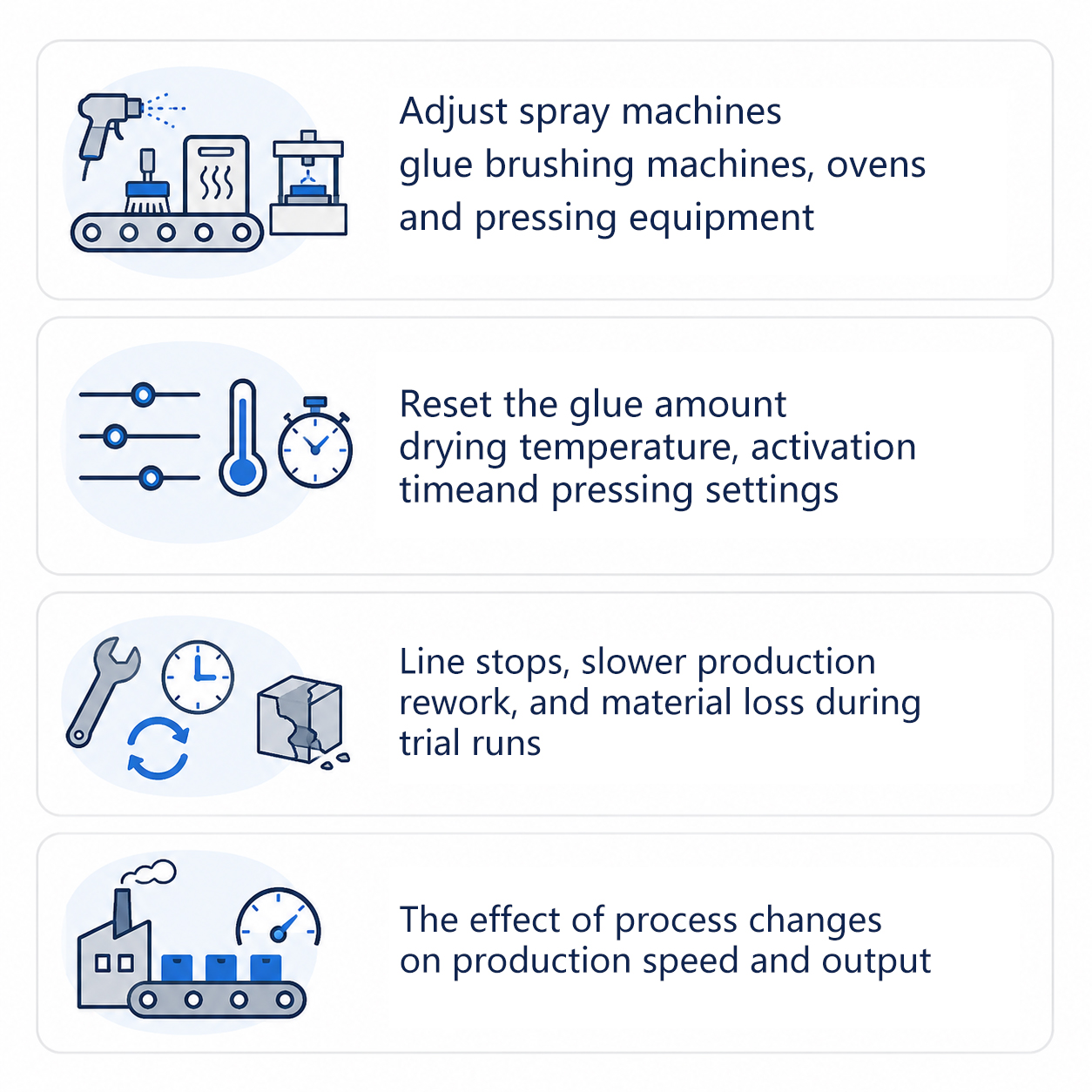
The main question is not only, “Can the adhesive work?” It is whether it can work in a stable and efficient way on the current line.
3. Organizational Execution Cost
This cost comes from changes in staff work and management systems.
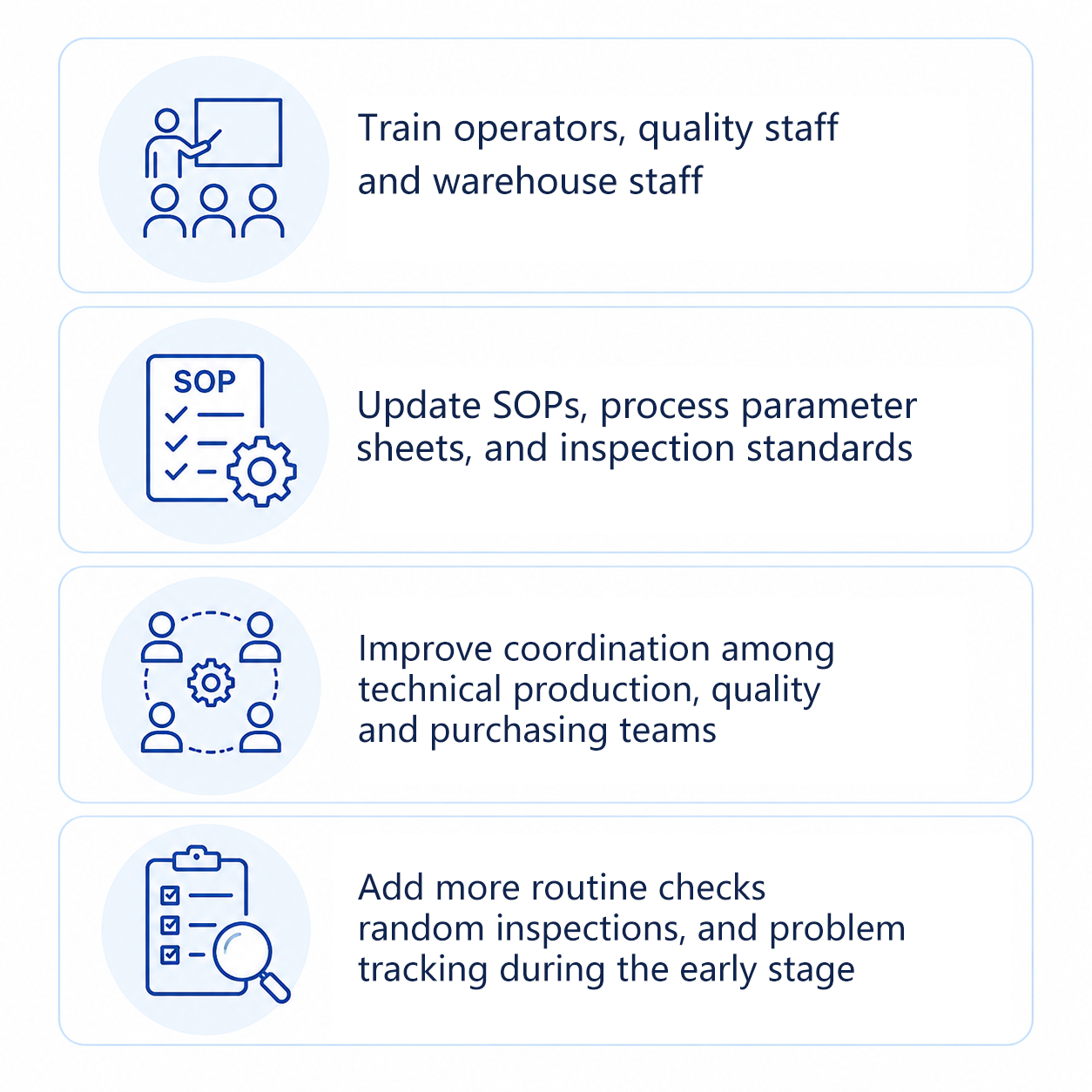
Without proper training, workers may keep using the old process. Even if the adhesive itself is good, this may cause large-batch problems.
4. Supply Chain Conversion Cost
This cost covers changes to materials and the purchasing system.
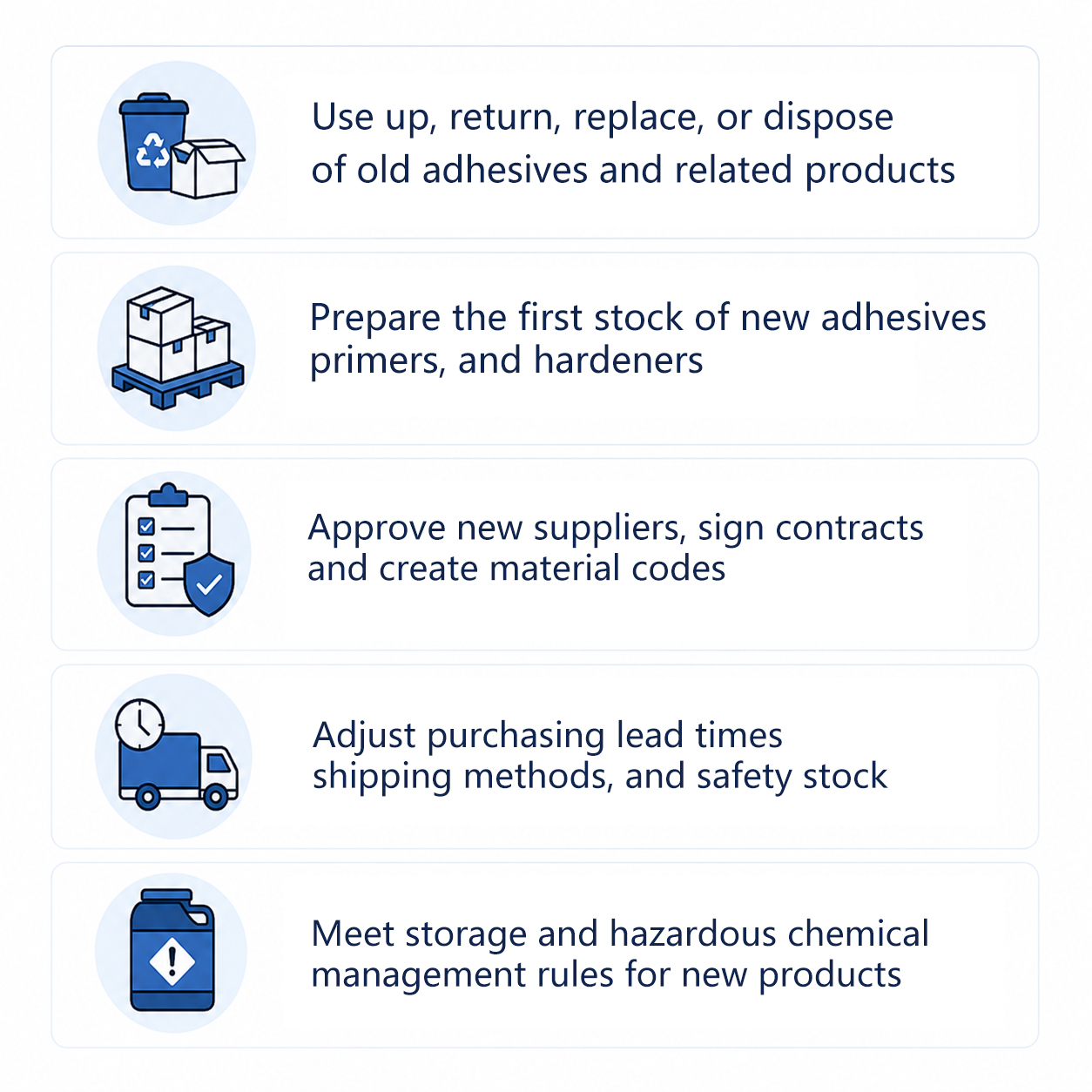
If there is a large amount of old stock, or the old and new systems cannot be used together, stock handling may cost more than the price difference between the adhesives.
Mass-Production Risks: What Problems May Appear After Full Introduction?
Passing tests does not mean the new adhesive will always stay stable in mass production. After full use, the factory must review four areas: finished product quality, production process, supply, and compliance and safety.
1. Finished Product Quality Risk: Will the Shoes Stay Qualified After Delivery?
Some problems may appear on the day of production, such as glue marks, glue penetration, whitening, bubbles, or strong odor. Other problems may appear after storage, shipping, or use. These include bonding failure at the toe, side, or heel, and lower bond strength after wet-heat aging, flexing, or low-temperature exposure.
Quality checks should not only look at the first bond. They should cover three stages:
the appearance after production, bond strength after aging, and stability after long storage.
2. Production Process Stability Risk: Can Production Stay Stable When Site Conditions Change?
Workers, machines, temperature, humidity, and line speed cannot always stay the same. If the new adhesive is too sensitive to coating amount, drying temperature, drying time, or bonding time, it may pass lab tests but give unstable results on the line.
During the review, check:
- whether different workers get the same result;
- whether different machines and lines give stable results;
- whether hot, humid, or cold conditions affect drying and bonding;
- whether faster line speed causes poor drying or bonding after the allowed time.
Do not only find the best settings. Also check whether the adhesive has a wide enough process window. A narrow safe range is harder to control on the line.
3. Supply Risk: Can the Product Be Supplied in a Stable Way for a Long Time?
Supply risk is not only about having stock. It also includes batch stability, complete matching products, and fast support when a problem happens.
For example, changes in viscosity, color, or bond performance between batches may force the factory to reset the process often. Production may also stop if the main adhesive arrives but the primer or hardener is missing.
Before full introduction, answer three questions:
Is there enough capacity in the busy season? Are lead times stable for normal and urgent orders? Can the supplier give fast technical support when a problem happens?
In a shoe factory with continuous production, a shortage of any key material may stop the whole line.
4. Compliance and Safety Risk: Is the New Adhesive Ready for Official Use?
Compliance and safety must be checked before introduction. Even if the bond meets the target, the product cannot be used if restricted substances under REACH, VOC levels, or other chemical results do not meet market and brand standards.
Before introduction, check that the SDS, TDS, test reports, and customer compliance files are complete. Also check whether current storage, transport, fire safety, ventilation, and personal protection can support the new product.
These risks can stop the whole project. Complete the review before trial production. This avoids finding out too late that the product cannot pass customer approval.
How Should the Final Decision Be Made?
Do not decide only by the price per kilogram. Review the full picture:
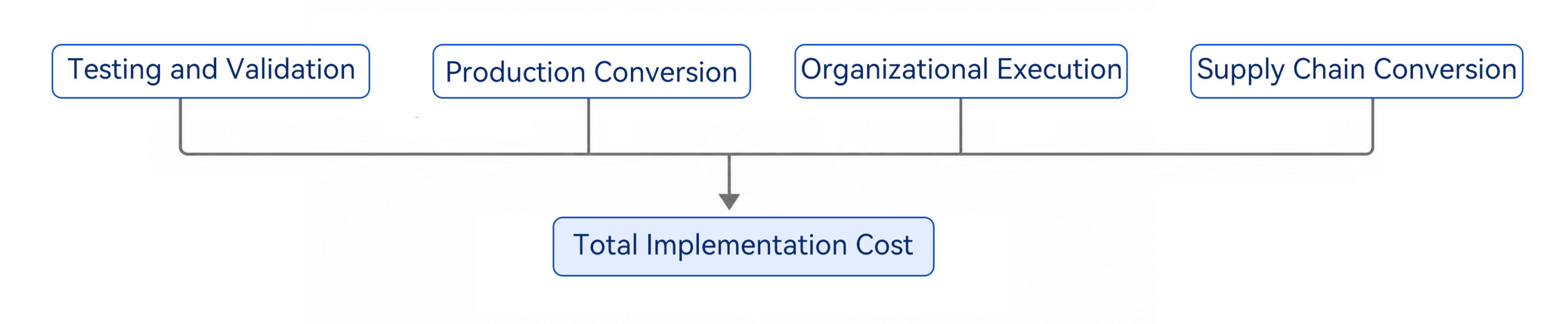
Also check whether product quality, production stability, supply, and compliance and safety risks can be controlled.
A cheaper adhesive may need more coating, slower line speed, or more rework. Its total cost may not be lower.
A new adhesive that is right for mass production should meet three conditions:
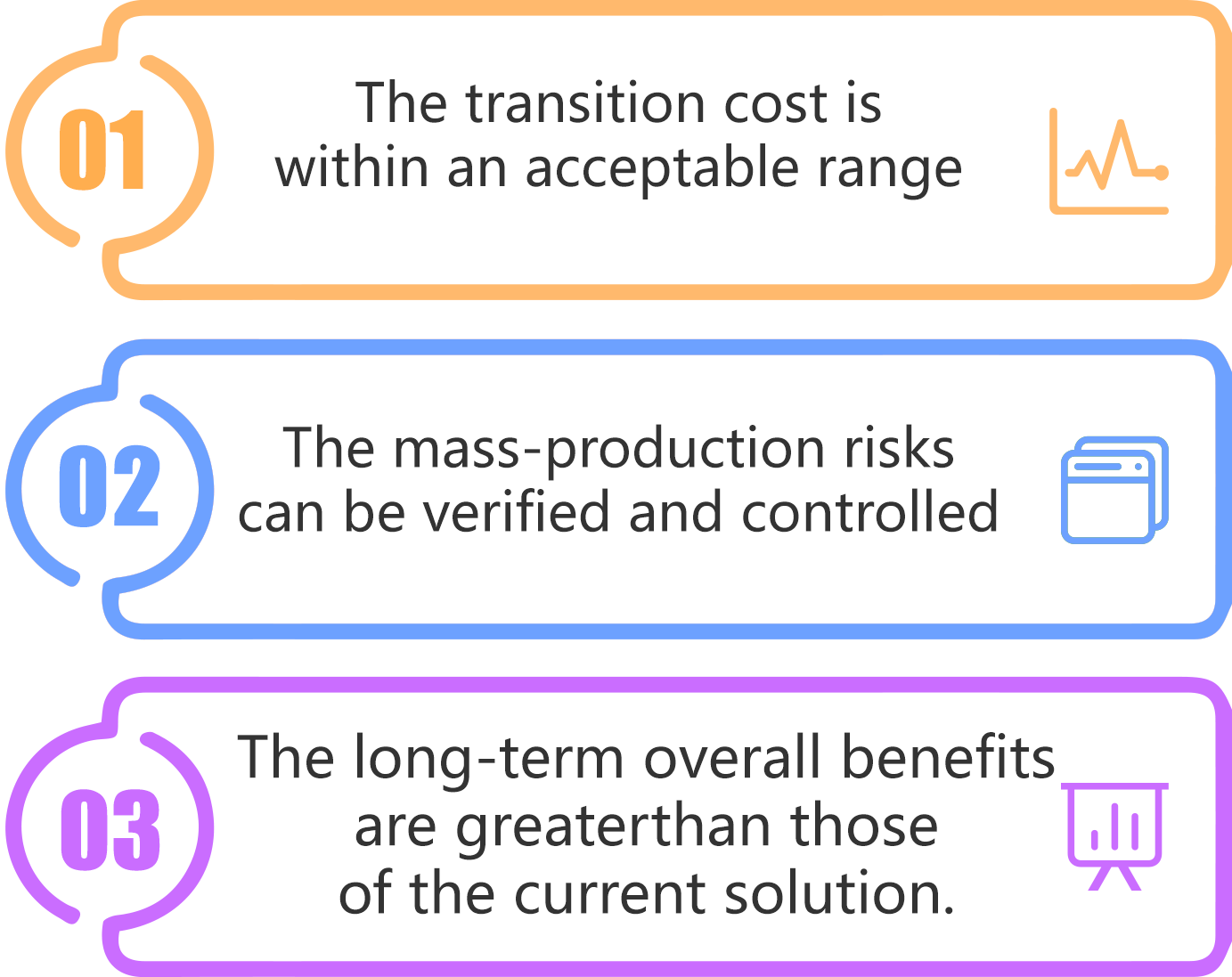
Changing adhesive is not a simple purchasing change. It is a change to the production system. The key question is not only whether the new adhesive can bond. It is whether it can support stable mass production in real factory conditions at a controlled cost.
How HELEY Supports a New Shoe Adhesive Evaluation
A new shoe adhesive evaluation should not end with a laboratory test. It should also cover process changes, worker training, supply planning, compliance, and long-term production stability.
Since 1998, HELEY has provided adhesive solutions for different footwear materials and production processes. We supply PU adhesives, chloroprene adhesives, grafted adhesives, spray adhesives, water-based adhesives, primers, cleaners, and hardeners.
Our technical team can support material matching, adhesive selection, process testing, trial production, and production follow-up. This helps footwear factories control transition costs, reduce mass production risks, and build a more stable bonding process.
Learn more about our shoe adhesive solutions, or contact HELEY for a suitable evaluation and testing plan.