
When buyers, distributors, or downstream factories visit an adhesive supplier, the most important impressions rarely come from certificates on the wall. They also do not come from promises made in a meeting room. The real picture appears during a glue factory audit. In the workshop, the structure of the facility and the rhythm of production reveal what numbers alone cannot explain.
Understanding how productivity and facility layout work together is essential for any company that depends on adhesive suppliers. This is especially true when the factory makes both solvent-based and water-based products, because each system needs different equipment, workflows, and safety controls. The way a factory arranges these areas shows its maturity, stability, and ability to deliver consistent quality.
A glue factory audit is not about finding mistakes. It is about seeing how a manufacturer turns raw materials into predictable output. The principles are straightforward. Efficient material flow, correctly sized equipment, and a layout that supports continuous production usually lead to stable performance.
On the other hand, poor zoning, bottlenecks, or chaotic workflows limit real productivity. They also create hidden risks for buyers. With this mindset, an audit becomes a tool to understand how a factory actually operates, instead of relying only on theoretical capacity claims.
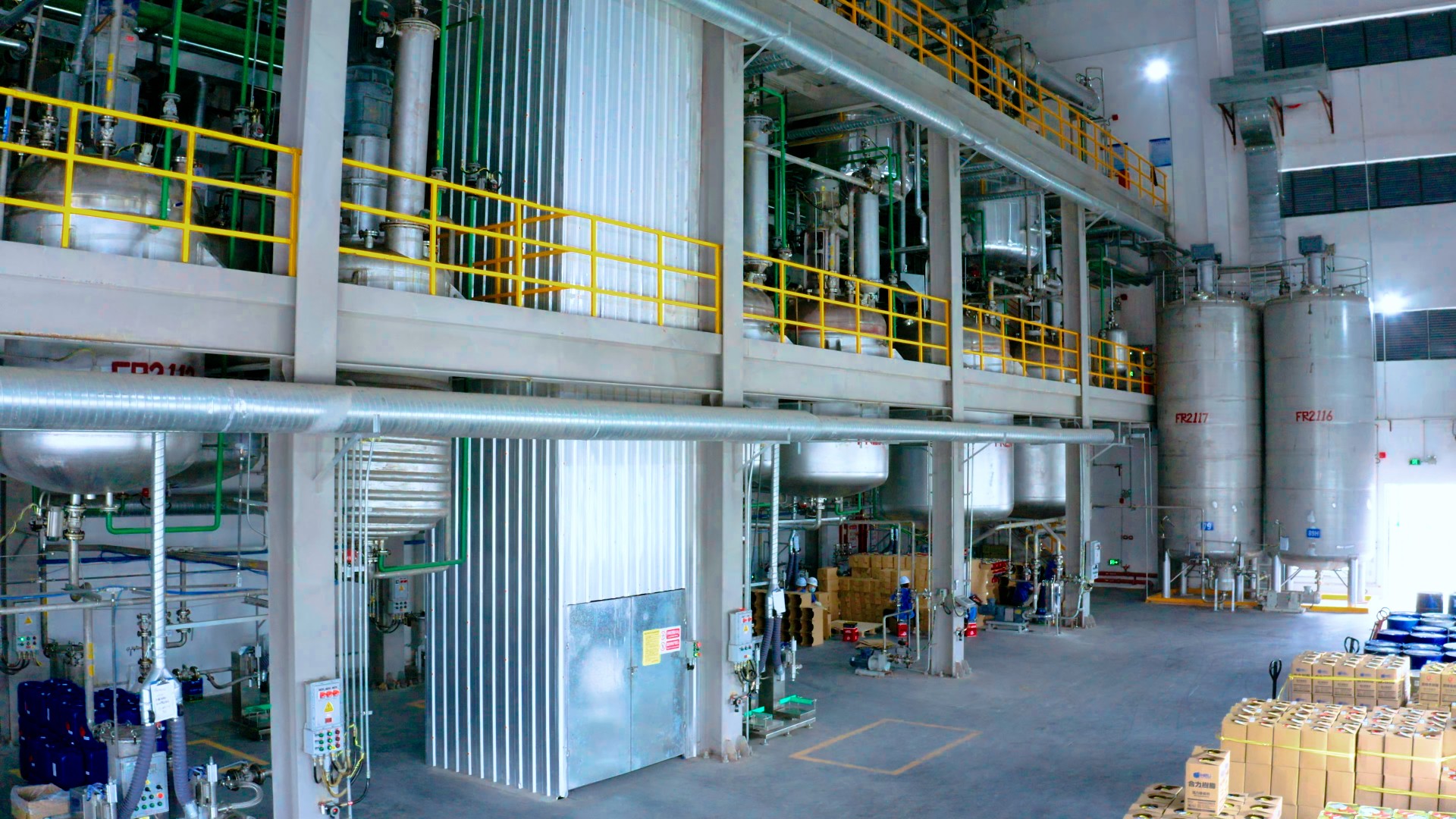
1. Understanding Productivity Through the Lens of Facility Layout
How physical design reveals operational capability
During a glue factory audit, one of the fastest ways to understand genuine production capability is to read the flow of the facility like a map. The way raw materials enter, the distance to each critical piece of equipment, and the placement of stations along the workflow all naturally reveal whether the factory operates with efficiency or waste. Although every manufacturer may present an “optimal” layout in presentations, only the actual floor tells the truth.
Below are the underlying principles that explain why facility layout directly correlates with real productivity—followed by key audit points you should examine on site.
A. Material Flow Efficiency
Principle
When solid polymers, solvents, emulsions, and additives can move through the factory without unnecessary detours or backtracking, less time is wasted on transport, waiting, and repositioning. Shorter distances also reduce manual handling risks and help maintain batch timing.
Audit Focus Points
Whether raw materials are stored near the feeding zone
Directness of movement from storage → pre-mixing → reaction → filtration → packaging
Evidence of bottlenecks such as stacked drums, forklifts waiting, or blocked aisles
Smooth separation of solvent and water-based material routes
B. Equipment Placement and Scaling
Principle
If equipment is appropriately scaled for the factory’s claimed output, and each glue type has access to dedicated or efficiently shared assets, then production cycles tend to follow a stable rhythm. When multiple products compete for the same critical equipment, real productivity drops below theoretical figures.
Audit Focus Points
Number and volume of reactors, dispersion tanks, and blending vessels
Whether solvent-based and water-based systems have separate production lines
Practicality of cleaning cycles between batches
Evidence of spare capacity or overstretched equipment
C. Workflow Continuity
Principle
A well-designed layout is one where production does not need to stop unexpectedly. If stages are arranged in a logical order—reaction → thinning → filtration → storage → filling—the factory avoids gaps that cause waiting time and disrupt consistency.
Audit Focus Points
Whether adjoining processes physically connect without unnecessary distance
Presence of intermediate storage that matches batch size
Signs of frequent line stoppages or re-routing
Compatibility between batch timing of adjacent processes

2. How Safety Zoning and Facility Controls Influence Sustainable Output
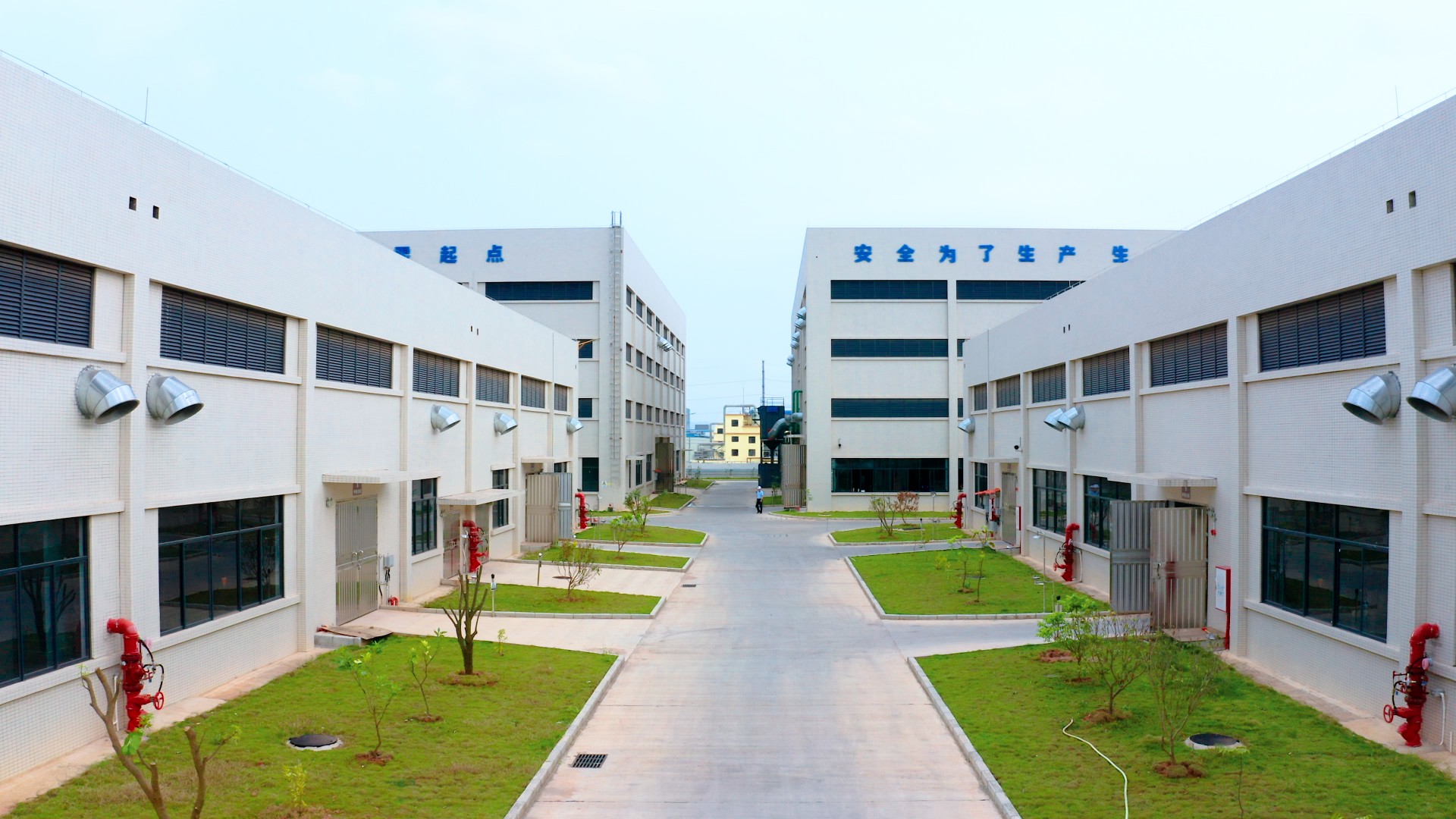
In a glue factory audit, buyers sometimes overlook safety zoning because it appears unrelated to productivity. In reality, the opposite is true: when zoning is inadequate, the factory must slow production, reduce load, or perform more frequent checks. Proper zoning allows the manufacturer to produce at full speed without compromising safety compliance.
Below are the key principles and what they reveal during an audit.
A. Explosion-Proof and Ventilation Zones
Principle
Solvent-based adhesives release VOCs that require strict explosion-proof controls. If the layout positions high-VOC areas with proper ventilation, grounding, and isolation, the factory can operate continuously rather than pausing for safety checks or airflow adjustments.
Audit Focus Points
Ventilation direction and air exchange rates
Placement of exhaust ducts above reaction or mixing zones
Explosion-proof electrical installations
Separation between solvent and water-based production areas
B. Chemical Segregation and Hazard Control
Principle
Keeping incompatible chemicals apart is essential for safe, stable output. Poor segregation increases the risk of contamination, reactive incidents, or waste, which inevitably disrupts production.
Audit Focus Points
Separate storage for acids, isocyanates, solvents, and emulsions
Clear labeling and flow control
Condition of secondary containment
Spill control readiness
C. Operational Safety That Supports Speed
Principle
Factories that use automated dosing, proper scales, and safety interlocks can run faster because operators do not need to compensate manually. A safe facility is not slow—rather, safety enables speed by reducing interruptions.
Audit Focus Points
Automated feeding or manual loading practices
Use of load cells, PPE compliance, and safety gates
Operator mobility within the workspace
Emergency pathways and their accessibility
3. Questions Buyers Should Ask During a Glue Factory Audit
Well-designed questions help reveal how deeply the factory understands its own processes. During your audit, consider asking:
-
“What is the typical batch turnover time for your major products?”
-
“How do you manage cleaning cycles between different glue types?”
-
“Which part of your production line is the most common bottleneck?”
-
“How do you ensure solvent-based and water-based systems do not cross-contaminate?”
-
“What changes have you recently made to improve productivity or safety?”
These questions encourage honest, operationally grounded responses and reveal whether management has a clear understanding of the factory’s real capabilities.
Final Thought
A glue factory audit is ultimately an exercise in understanding how logic, safety, and workflow combine to produce consistent output. The layout of the factory—its zoning, equipment arrangement, and material flow—is not just an engineering decision but a reflection of the manufacturer’s commitment to stable quality. When buyers evaluate both productivity and facility design through the principles above, they gain a clearer view of whether the factory can support long-term production demands, handle peak orders, and maintain reliable performance across seasons.
A well-executed audit does not merely assess a supplier; it builds confidence grounded in observable reality, allowing both parties to move forward with transparency and shared expectations.