
Sourcing adhesives internationally is no longer just about comparing prices and minimum order quantities. In today’s competitive manufacturing world—whether footwear, furniture, automotive, or industrial assembly—the real advantage comes from building a strong adhesive supplier partnership that can support development, maintain performance consistency, and help control costs over the long term.
This article explains how importers can move beyond transactional purchasing and develop real technical adhesive factory cooperation that benefits both sides.
Why Long-Term Adhesive Supplier Partnerships Matter
A Strategic Investment, Not Simply Procurement
A good partnership with a capable adhesive factory can deliver:
More stable batch consistency
Predictable supply chain and inventory planning
Faster technical support when problems occur
Lower long-term cost due to reduced rework and rejects
Meanwhile, the manufacturer benefits from:
Better production scheduling
Clearer business planning
Insight into real-world production challenges
Continuous formula improvement based on feedback
In short, long-term cooperation makes both companies stronger and more competitive.
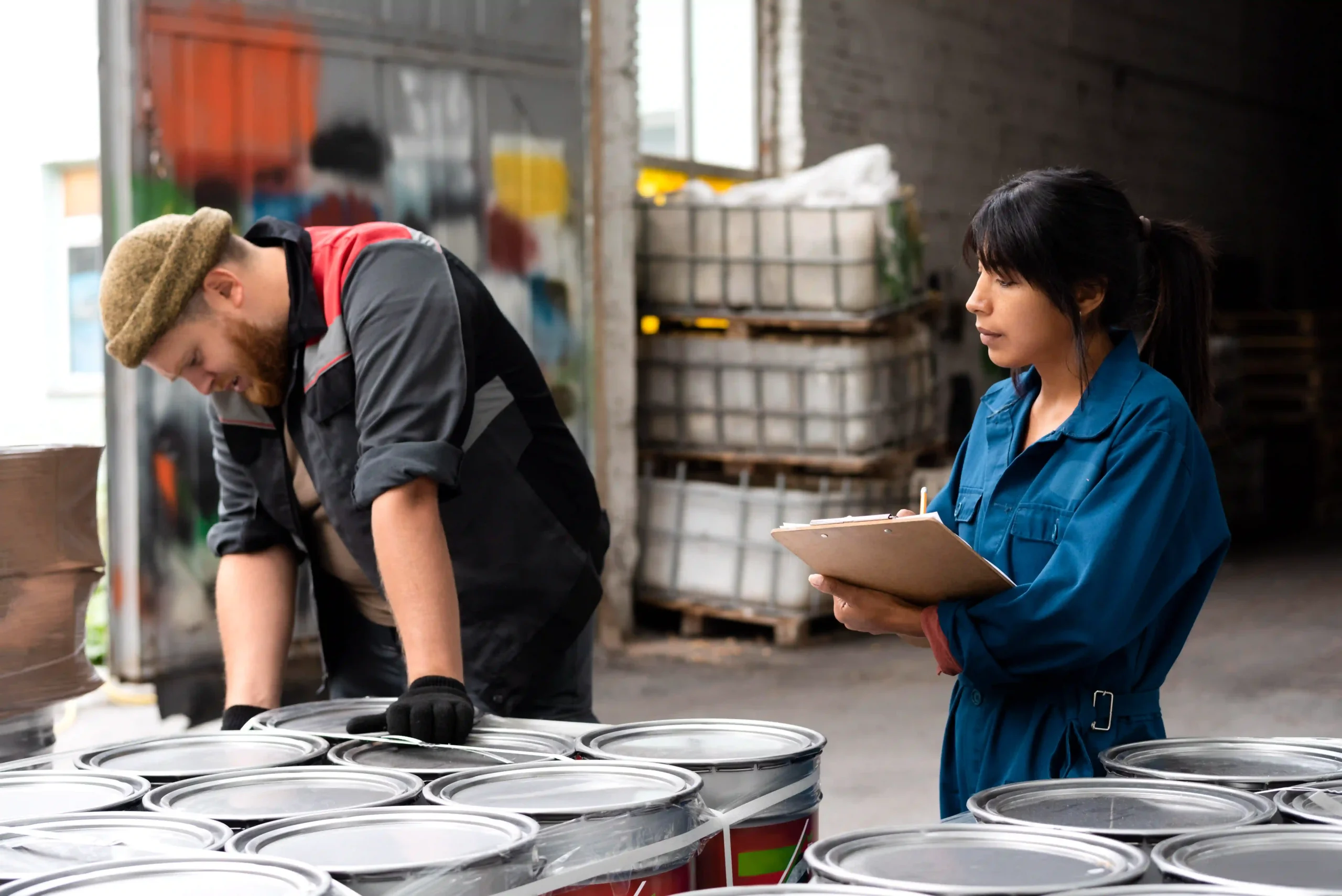
Evaluate the Factory—Not Just the Glue
Technical Capability Matters
Many sourcing failures happen because buyers assess the product but not the production ability behind it.
A reliable adhesive factory should be able to demonstrate:
In‐house laboratory and QA systems
Ability to adjust formulations
Knowledge of substrate behavior
Traceable batch production
A professional supplier introduces themselves through more than a catalog. For example, manufacturers who openly show their factory process, certifications, and engineering capabilities—like the information available on the Heley Adhesive website
Documentation Is a Reality Check
Even if the adhesive performs well, suppliers should provide:
SDS and TDS
Production batch codes
QC results
Environmental compliance certifications
If these documents are missing or inconsistent, it often means the supplier may lack sufficient control over its production process—an early warning sign.
Start Partnership Through Real Production Testing
Go Beyond Laboratory Results
Real bonding performance doesn’t happen in a controlled room—it happens on the production floor.
When beginning cooperation, buyers should test adhesives:
At real production speed
Using normal operator skill levels
Under site temperature and humidity
With the actual substrates in their process
This method reveals the genuine functional value of the adhesive—not the theoretical one.

Track Communication Quality
During initial collaboration, pay attention to how the supplier responds:
Do their engineers explain test results?
Do they proactively offer solutions?
Are they quick to provide clarifications?
A supplier that treats testing as a joint engineering project—not an after-sales task—is a potential long-term partner.
Share Data for Transparent and Stable Cooperation
Run Regular Technical Business Reviews
Importers that grow fastest with their suppliers usually hold structured quarterly reviews that cover:
Delivery performance
Production challenges
Quality issues and improvements
Formula tuning opportunities
This ensures issues are solved at the root rather than repeatedly repaired.
Shared Forecast Planning
A partnership deepens when both sides plan ahead. Forecasts help the factory:
Prepare materials
Schedule production
Reduce emergency lead times
In return, the buyer gains better delivery reliability.
Focus on Total Cost, Not Unit Price Alone
A Common Mistake
Many buyers look only at how many cents they can shave off per kilogram. But in adhesives, total cost includes:
Rework
Waste
Production stoppage
Shipping delays
VOC compliance adjustments
Engineering labor time
An adhesive that is slightly cheaper per unit may cost significantly more in production losses. This is one of the mistakes many importers make when dealing with suppliers, also discussed here:
https://heleyadhesive.com/5-common-mistakes-importers/
How Long-Term Partnerships Save Money
A mature adhesive factory cooperation can:
Reduce production scrap
Increase batch consistency
Shorten process cycles
Eliminate unnecessary technical faults
Improve final product quality
That is real cost reduction—not a price cut on paper.
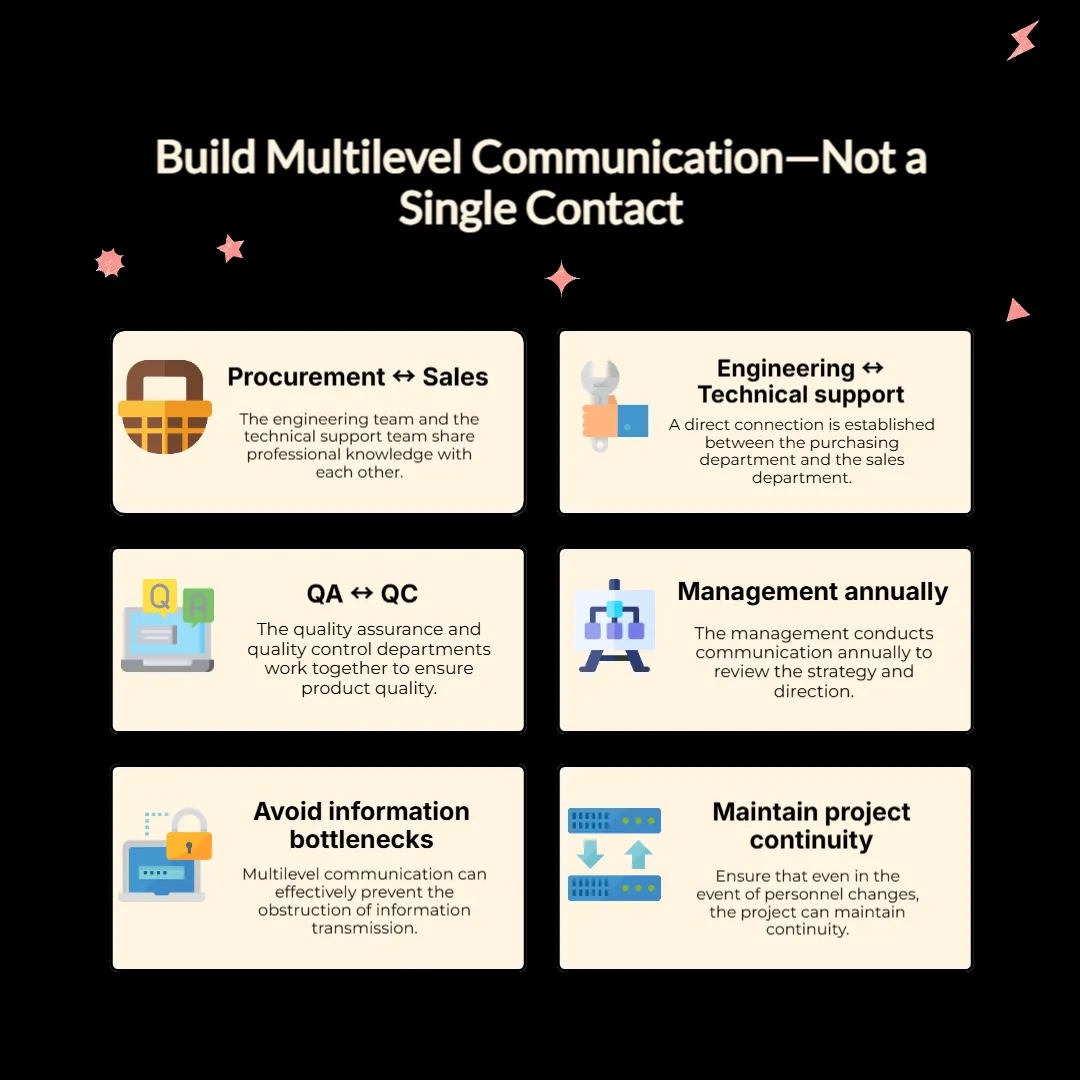
Build Multilevel Communication—Not a Single Contact
A strong partnership survives personnel changes because communication happens at multiple layers:
Procurement ↔ Sales
Engineering ↔ Technical support
Management annually
This prevents information bottlenecks and maintains project continuity.
Evaluate the Partnership Annually
A simple annual scorecard can include:
On-time delivery rate
Batch consistency performance
Technical response speed
Issue-resolution efficiency
Cost and yield improvements
Satisfaction with cooperation
If a score drops, both sides can talk openly and adjust course—like real partners should.
Final Thoughts
Creating a successful adhesive supplier partnership is not luck—it is a structured process. The strongest importing companies:
Evaluate the factory, not just the adhesive
Test performance in real production
Share forecasts and data transparently
Focus on total cost instead of only unit price
Build engineering collaboration, not transactional buying
A reliable adhesive manufacturer who approaches cooperation as engineering support—not just product sales—provides long-term competitive advantage.