
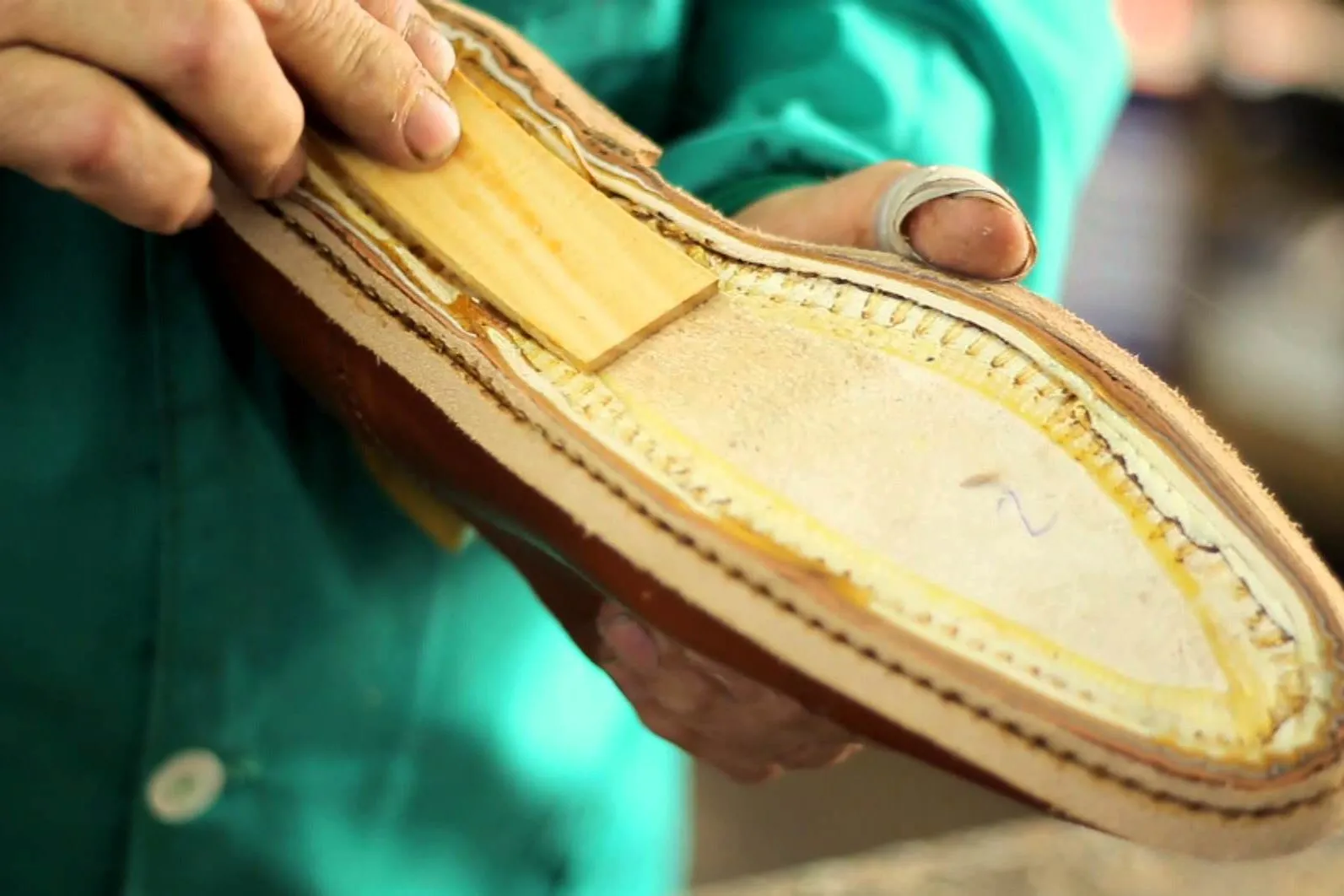
 In footwear production, choosing the right shoe sole adhesive is not a small detail. It affects bond strength, line speed, product quality, worker safety, and compliance with market rules.For shoe manufacturers, procurement teams, and technical engineers, the choice often comes down to two main options: water-based bonding systems and solvent-based bonding systems.
Both types are widely used in the footwear industry. Both can support stable rubber sole bonding when the process is controlled well. But they do not perform the same way in every factory condition, material system, or export market.
This article explains the key differences, so your team can choose the right adhesive solution for your production needs.
Why Adhesive Choice Matters in Footwear Production
In modern shoe factories, adhesive is part of the full process system, not just a bonding material. The wrong adhesive can lead to weak bonding, unstable pressing results, longer drying time, or more production waste. The right one can improve line efficiency and reduce complaints after shipment.
For this reason, many factories now treat footwear adhesive selection as both a technical and purchasing decision. Engineers focus on bonding performance, process fit, and substrate compatibility. Procurement managers look at cost, compliance, and supply stability. Both sides must work together.
When selecting an adhesive for shoe manufacturing, the factory should review:
Bonding performance requirements
Different shoes need different bonding strength. Sports shoes, work shoes, and outdoor shoes usually require stronger and more durable bonding than light casual footwear.
Material compatibility
Rubber compounds vary from one sole supplier to another. Some rubber surfaces are harder to bond and may need special treatment, primer, or adhesive systems.
Production line conditions
Drying time, open time, heat activation, and pressing conditions all affect final results.
What Is Water-Based Footwear Adhesive ?
Water-based adhesive uses water as the main carrier instead of strong organic solvents. In many footwear plants, it is chosen because it helps reduce VOC emissions and improve the working environment.
Water-based systems are often used in factories that supply global brands with higher environmental requirements. It can perform well in rubber sole bonding when the surface treatment and drying process are properly managed.
Main benefits of water-based systems
Water-based systems offer several clear advantages in shoe production:
- Lower VOC emissions, which can help factories reduce solvent-related air concerns
- Better workplace safety when factories manage chemical exposure, ventilation, and handling correctly
- Easier alignment with environmental standards
- Good fit for factories moving toward cleaner production
Main limitations of water-based systems
Water-based products also have some process demands:
- Longer drying in some conditions
- Greater sensitivity to temperature and humidity
- Higher dependence on correct line control
- May require tighter process discipline for stable results
For factories upgrading compliance systems, working with an experienced shoe adhesive factory can help reduce the trial-and-error stage during material conversion.
What Is Solvent-Based Footwear Adhesive?
Solvent-based systems use organic solvents as the carrier and have long been a standard solution in footwear production.Many factories still use it because of its strong initial tack, broad material adaptability, and stable process performance.
In demanding applications, solvent-based systems remain a trusted option, especially when factories work with difficult rubber surfaces or high bonding stress.
Main benefits of solvent-based systems
Solvent-based adhesive is still preferred in many factories because it offers:
- Strong initial bond strength
- Good performance on complex rubber compounds
- Stable application in traditional production lines
- Faster response in certain activation and pressing systems
Main limitations of solvent-based systems
At the same time, procurement and compliance teams must consider:
- Higher VOC content
- More demanding ventilation requirements
- Greater safety control in handling and storage
- Possible restrictions in some export markets
Water-Based vs Solvent-Based Systems: Key Differences
The decision is not about which type is always better. It is about which type fits your product, process, and market.
Bond strength and durability
For many factories, solvent-based systems still provide stronger early bonding on difficult surfaces. Water-based systems can also achieve strong results, but the process window is often narrower. Surface treatment becomes more important.
Drying time and production speed
Solvent-based systems often dry faster in practical factory use. Water-based systems may need more controlled drying, especially in humid environments. This can affect line speed if the equipment is not optimized.
Environmental and safety performance
This is where water-based systems usually have a clear advantage. Lower VOC levels help factories improve workplace conditions and meet brand or regional compliance requirements.
Cost in real production
The unit price alone does not tell the full story. A lower-priced product may increase waste, rework, or downtime. A higher-priced solution may reduce defects and improve total process value. For this reason, the real cost should be measured across the full footwear bonding process.
How to Choose the Right Adhesive for Shoe Manufacturing
Factories should not choose a bonding system only from a datasheet. Real selection should be based on line trials and production goals.
Consider the shoe type
Sports shoes, safety shoes, and outdoor footwear often need stronger and more durable bonding systems than light fashion shoes.
Consider the sole material
Not all rubber soles behave the same. Some are easy to bond, while others need roughing, halogenation, primer, or special activation.
Consider your export market
If your customers sell into markets with tighter environmental rules, water-based systems may be the better long-term choice.
Consider your factory equipment
If your line is already designed for fast drying and standard solvent systems, switching materials may require process adjustment. A professional shoe adhesive factory can help test compatibility before bulk adoption.
Common Mistakes in Sole Bonding
Even the best footwear adhesive system can fail if the process is wrong. In many factories, bonding problems come from process instability rather than adhesive quality alone.
Poor surface preparation
Rubber soles often need roughing, cleaning, or chemical treatment before adhesive application.
Incorrect drying or activation
If adhesive is not dried enough, or if activation temperature is wrong, bond strength can drop sharply.
Unstable pressing conditions
Pressure, time, and alignment must remain consistent. Variation in pressing often leads to delamination or weak edge bonding.
Mismatch between adhesive and substrate
A good adhesive for shoe manufacturing must match both the sole material and the upper material. One system does not fit every combination.
Final Thoughts
Choosing between water-based and solvent-based adhesive is a strategic decision for footwear manufacturers. Water-based systems support cleaner production and compliance goals. Solvent-based systems still offer strong performance in many demanding conditions.
The best choice depends on your materials, line setup, product type, and customer requirements. For stable sole bonding performance, factories should evaluate adhesive through real production trials, not only lab claims.
If your team is comparing systems, focus on total production value: bond strength, efficiency, safety, compliance, and technical support. That is the most practical way to select the right bonding approach for long-term manufacturing success.

