
Technical Support Systems for Adhesive Manufacturers: How Real Support Is Built
In the adhesives industry, technical support is often discussed but not always clearly defined. For many buyers and distributors, support still means answering questions after a problem occurs. However, for experienced adhesive manufacturers, technical support is not a reactive service—it is a structured system built into how the company operates.
Understanding technical support systems for adhesive manufacturers requires looking at how laboratories, engineers, and problem-response processes work together to deliver consistent, real-world results. These systems do not exist to impress customers. They exist to reduce risk, shorten resolution time, and support long-term partnerships across global markets.
Laboratories as the Backbone of Technical Support
A reliable technical support system starts with laboratory capability. An in-house adhesive testing laboratory changes how problems are approached. Instead of relying on assumptions or past experience alone, manufacturers can recreate application conditions, verify performance, and isolate variables.
Laboratories enable more than basic quality checks. They allow for adhesive failure analysis, comparative testing, and application-specific validation. When an issue arises in production, samples can be tested under controlled conditions to determine whether the root cause comes from formulation, process parameters, surface preparation, or environmental factors.
This distinction matters. Without laboratory verification, technical feedback risks becoming opinion-based. With lab support, solutions are grounded in data. That is why many distributors increasingly value manufacturers with established adhesive testing laboratories rather than relying on intermediaries who cannot independently verify performance.
Engineers Who Translate Data Into Solutions
Laboratory data alone does not solve problems. Engineers play a critical role in turning test results into actionable guidance. In effective technical support systems, application engineers act as the bridge between manufacturing knowledge and real production environments.
Unlike general sales support, adhesive application engineers understand substrates, equipment limitations, line speed, curing behavior, and environmental conditions. This allows them to communicate with customer engineers using a shared technical language, reducing misunderstanding and misalignment.
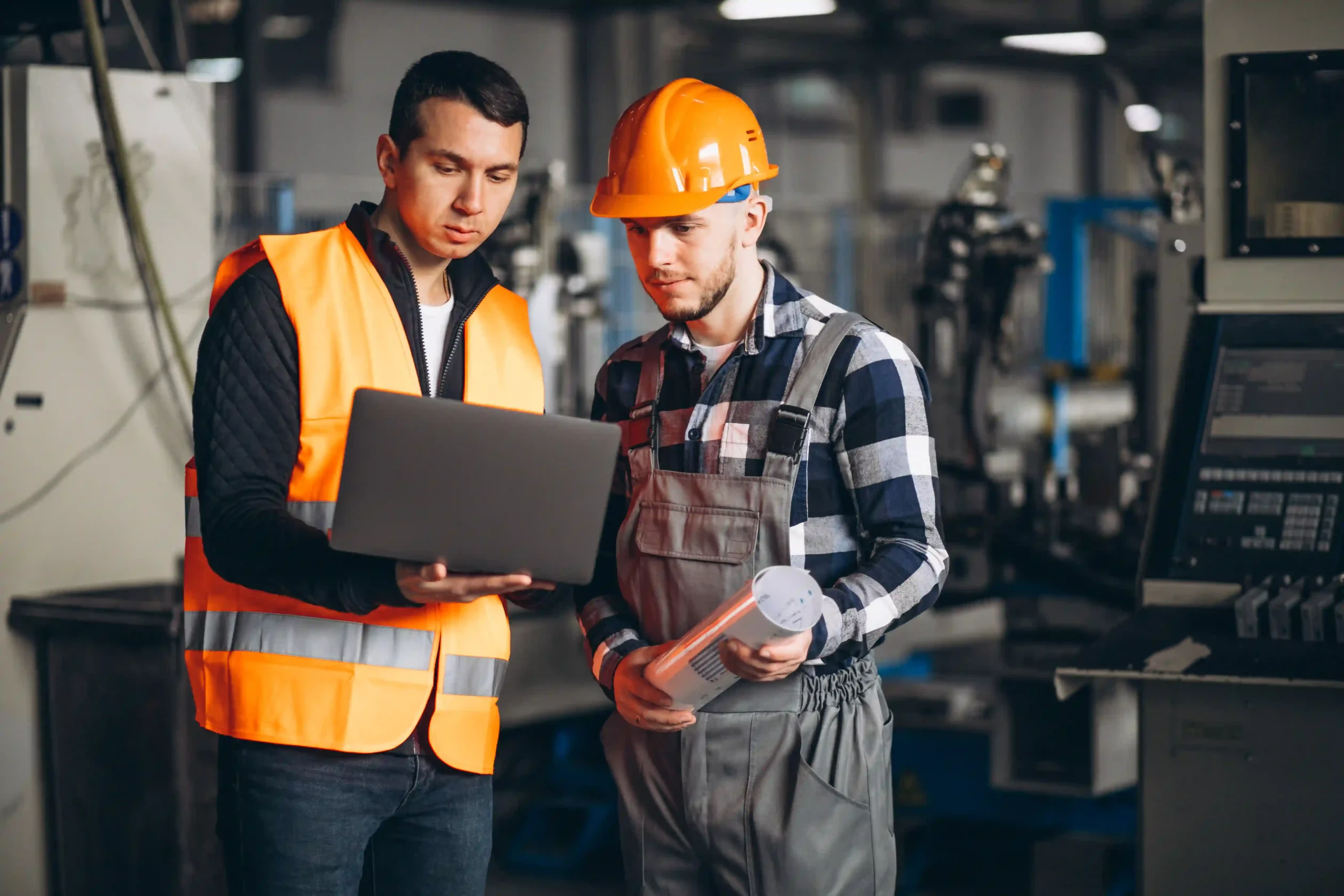
Behind the scenes, strong systems encourage collaboration between engineers, laboratory teams, quality control, and production. When these functions operate together, problem-solving becomes faster and more accurate. This integrated approach explains why engineering support for adhesives is often a decisive factor when distributors choose long-term partners.
Problem Response Systems: Structure Over Speed Alone
Fast responses matter, but speed without structure often leads to temporary fixes. Mature technical support systems rely on defined problem-response processes rather than ad-hoc troubleshooting.
A structured response typically begins with standardized information collection: application details, process parameters, environmental conditions, and batch data. This ensures that engineers and laboratories work from complete and verified inputs. From there, testing and analysis are conducted to identify root causes instead of symptoms.
Equally important is closing the loop. Effective systems verify corrective actions and document preventive measures. This reduces repeat issues and builds confidence across supply chains. Over time, distributors and customers experience fewer disruptions because problems are addressed systematically, not repeatedly.
This approach reflects growing emphasis on root cause analysis in adhesives and well-designed technical issue response systems.
Scaling Technical Support Across Global Markets
As adhesive manufacturers expand internationally, technical support must remain consistent across regions. Systems matter more than individuals in this context. While people change, structured processes, documentation, and testing standards can be replicated.
Well-designed systems support distributors without creating dependency. Training, documentation, and joint technical reviews help partners build internal capability rather than relying on constant external intervention. This balance allows manufacturers to provide technical support for adhesive distributors while maintaining scalability.
Consistency across markets also protects brand reputation. When global partners receive the same technical logic, testing standards, and response quality, trust grows naturally.
Connecting Technical Support With Manufacturing and Quality Systems
Technical support does not exist in isolation. The strongest systems are closely linked to manufacturing and quality control. Laboratory findings often feed back into process optimization, formulation refinement, or raw material qualification.
Traceability plays an essential role here. Being able to track batches, raw materials, and process conditions allows manufacturers to take responsibility at a granular level. This connection strengthens accountability and reduces uncertainty during investigations.
Over time, preventive actions become as important as corrective ones. Manufacturers that use technical insights to anticipate risks often prevent problems before they reach customers, reinforcing the value of preventive technical support.

Why Technical Support Systems Shape Long-Term Partnerships
Distributors and industrial buyers rarely evaluate technical support based on one interaction. Trust is built through repeated experiences—how issues are handled, how clearly responsibilities are defined, and how consistently solutions work.
Strong technical support systems for adhesive manufacturers allow partners to make commitments with confidence. They reduce operational risk, protect customer relationships, and support sustainable growth. While these systems may not always be visible, their impact becomes clear over time.
In the adhesives industry, technical support is not a department. It is a system that reflects how seriously a manufacturer approaches quality, responsibility, and partnership.