
Shifting Glue Supply Channels: Why Buyers Are Rethinking How They Source Adhesives
Across the global adhesive industry, a quiet but significant transformation is underway. Buyers are reassessing how they source glue, who they work with, and what level of technical support they expect from suppliers. This evolution is best described as shifting glue supply channels—a move away from traditional trading-based sourcing toward more direct relationships with adhesive manufacturers.
This shift is not driven by trends or marketing narratives. It is a practical response to rising operational complexity, tighter quality requirements, and growing awareness of supply chain risk. For many buyers, glue is no longer a low-risk consumable. It is a process-critical material, and sourcing decisions now reflect that reality.
A Structural Shift, Not a Temporary Adjustment
Historically, trading companies played an important role in the glue supply chain. They simplified procurement, bridged language and geographic gaps, and helped buyers access manufacturers they might not otherwise reach. In relatively stable production environments, this model worked well.

However, modern manufacturing conditions are very different. Adhesives are now deeply integrated into production processes. They interact with substrates, machinery, temperature, humidity, and downstream treatments. When something goes wrong, the cost is rarely limited to the adhesive itself—it can include downtime, scrap, delayed shipments, and customer claims.
As these risks become more visible, shifting glue supply channels has become less about preference and more about control.
What Is Driving the Shift in Glue Supply Channels?
Adhesive Applications Are Becoming More Complex
In many industries—footwear, automotive interiors, furniture, packaging, and electronics—adhesives are no longer interchangeable. A small formulation difference can affect curing time, bond strength, appearance, or durability.
Buyers increasingly require:
Application-specific testing
Process optimization support
Predictable performance under varying conditions
These needs place pressure on sourcing models that prioritize convenience over technical depth.
Buyers Are Reprioritizing Risk Over Unit Price
Price remains important, but it is no longer the primary decision factor. Experienced buyers understand that the real cost of adhesive failure far exceeds marginal price differences.
As a result, sourcing strategies now focus on:
Risk visibility
Accountability clarity
Speed of technical response
This shift naturally favors supply channels that offer direct access to technical decision-makers.

Why Buyers Are Changing Glue Suppliers
One of the clearest signs of shifting glue supply channels is supplier turnover driven not by pricing disputes, but by unresolved technical issues.
Common buyer frustrations include:
Slow response when problems occur
Conflicting explanations from different parties
Limited access to testing data or root-cause analysis
Unclear responsibility when performance fails
Over time, these issues erode trust. Buyers begin to question not just the product, but the structure of the supply relationship itself.
Glue Sourcing From Manufacturers vs. Traders
The difference between sourcing from a trading company and working directly with an adhesive manufacturer is structural, not personal. It affects how information flows, how decisions are made, and how responsibility is assigned.
Accountability and Ownership
Manufacturers own the formulation, production process, and quality system. When sourcing directly, responsibility for performance is clearly defined. There is no ambiguity about who investigates, who decides, and who implements corrective actions.
In contrast, trading companies coordinate rather than control production. When issues arise, accountability is often shared or blurred, which can delay resolution and complicate communication.
This distinction is explored in more detail in When a Trading Company Makes Sense — And When It Doesn’t, which examines situations where intermediaries add value—and where they introduce risk.
Technical Support and Lab Access
Modern buyers increasingly expect technical support that goes beyond sales guidance. They want:
Lab testing
Failure analysis
Application optimization
Preventive recommendations
These capabilities require direct access to an adhesive manufacturer’s lab and technical team. Without that access, troubleshooting becomes indirect, slower, and less precise.
Speed of Problem Resolution
Time matters when production is affected. In trading-based models, technical feedback often passes through multiple layers before reaching the source. Each step increases the risk of information loss or simplification.
Direct manufacturer relationships shorten the decision chain. Problems are addressed where they originate, using original data and controlled testing conditions.
The Hidden Risks of Trading-Based Glue Supply
Trading companies are not inherently problematic. However, the structure of trading-based supply introduces certain risks that buyers increasingly recognize.
Information Distortion
Technical issues rarely translate cleanly through multiple intermediaries. Details are summarized, reinterpreted, or unintentionally altered. What reaches the manufacturer may not fully reflect what happened on the production line.
Responsibility Dilution
When multiple parties are involved, responsibility can become fragmented. Even well-intentioned partners may hesitate to act decisively when accountability is unclear.
Buyer as De Facto Coordinator
In many cases, buyers end up managing communication between traders, factories, and customers—absorbing operational pressure without having technical authority.
These are not failures of individuals, but limitations of the model itself.
Adhesive Manufacturer Direct Sourcing Benefits
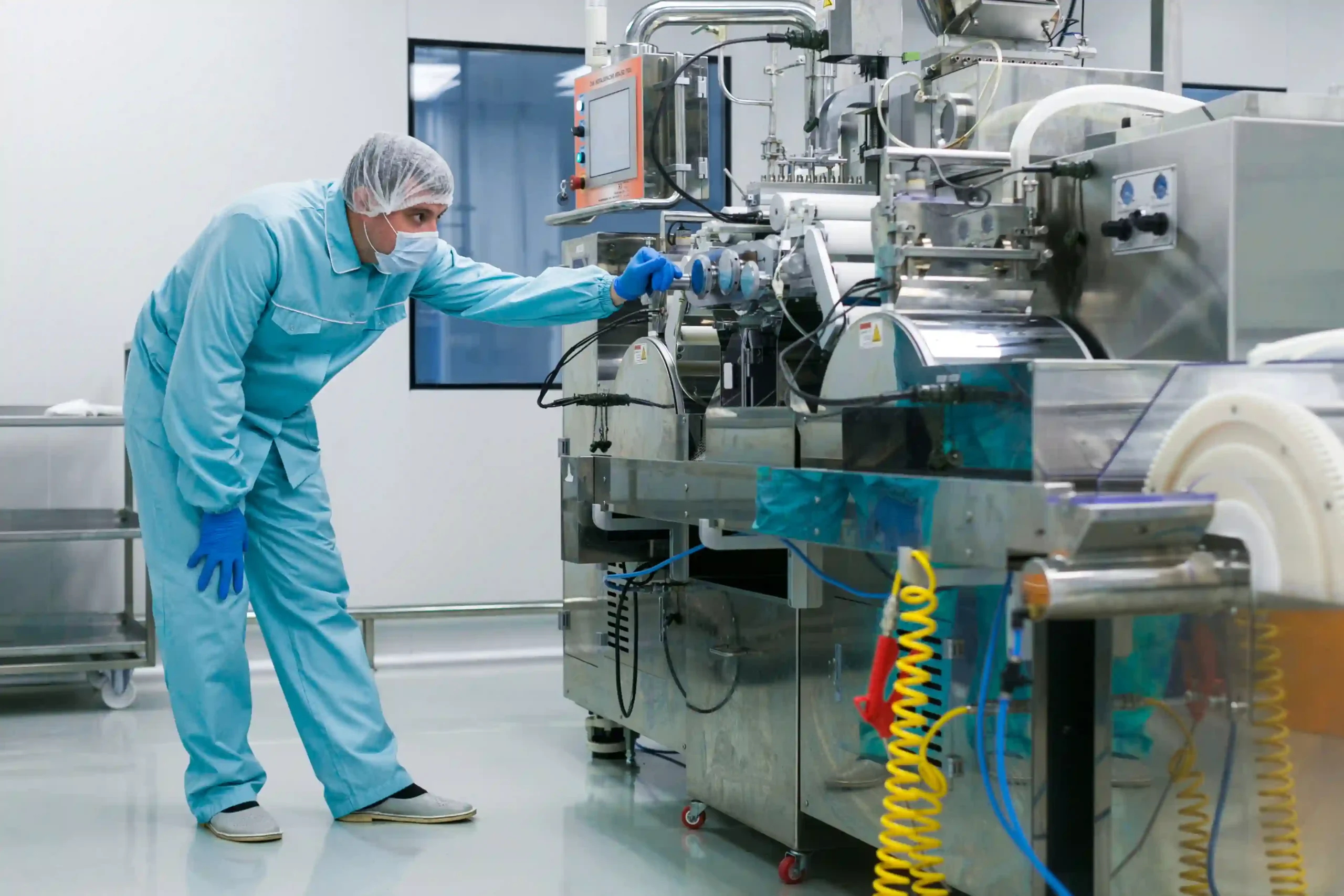
As shifting glue supply channels continues, more buyers are recognizing the advantages of direct manufacturer relationships.
Clear Responsibility Structure
Direct sourcing establishes a single point of responsibility for product performance. This clarity reduces disputes and accelerates corrective actions.
Deeper Technical Collaboration
Manufacturers can support:
Custom formulation adjustments
Process-specific testing
Continuous improvement initiatives
This level of collaboration transforms the supplier relationship from transactional to strategic.
Better Long-Term Stability
Manufacturers are more invested in long-term partnerships. They benefit from understanding customer processes deeply and designing solutions that evolve with them.
The long-term implications of this choice are discussed further in Manufacturer or Trader: Which Is Better for Long-Term Adhesive Supply?, which compares sourcing models through a strategic lens.
Glue Supply Chain Risk Management Starts With Structure
Many buyers attempt to manage risk through inspections, contracts, or contingency planning. While these measures are useful, they address symptoms rather than causes.
Effective risk management begins with supplier structure:
Who owns the formulation?
Who controls testing?
Who has authority to change the product?
Who stands behind performance claims?
By answering these questions upfront, buyers reduce uncertainty long before problems arise.
How to Choose a Glue Supplier in a Changing Market
In the context of shifting glue supply channels, buyers should evaluate suppliers using criteria that reflect modern production realities.
Key questions include:
Can you access the manufacturer’s lab directly?
Are R&D and quality teams involved in problem resolution?
Can failures be reproduced and documented?
Is responsibility clearly defined in practice, not just in contracts?
Does the supplier support long-term process optimization?
These considerations help buyers move beyond price comparisons toward sustainable sourcing strategies.
Shifting Glue Supply Channels Is About Control, Not Cost
The ongoing shift in glue supply channels is not a rejection of trading companies, nor is it driven by short-term cost optimization. It reflects a deeper understanding of how adhesives function within complex manufacturing systems.
Buyers are choosing direct manufacturer relationships because they want:
Technical certainty
Clear accountability
Faster problem resolution
Reduced operational risk
Stronger long-term partnerships
For adhesive manufacturers, this shift presents an opportunity. Those who invest in transparency, lab capability, and customer-facing technical support are becoming more than suppliers—they are becoming strategic partners.
In today’s market, the most reliable glue supply channel is often the most direct one.