
Why Choosing the Best Adhesive for Rubber Shoe Soles Matters in Footwear Manufacturing
Rubber soles are widely used in modern footwear because they offer excellent durability, slip resistance, and flexibility. However, bonding rubber to other shoe materials is not always easy. Manufacturers often face challenges such as poor adhesion, sole separation, or reduced durability after long-term wear. Choosing the best adhesive for rubber shoe soles is therefore a critical step in producing reliable, high-quality footwear.
In footwear manufacturing, the right adhesive not only improves product quality but also increases production efficiency. This article explains why rubber soles are difficult to bond and introduces the most commonly used adhesives for rubber sole bonding in the footwear industry.
Why Rubber Shoe Soles Are One of the Hardest Materials to Bond
Rubber materials present several challenges during the bonding process. Understanding these challenges helps manufacturers select the right adhesive for rubber soles.
Low Surface Energy: The Main Shallenge in Rubber Sole Bonding
Rubber surfaces naturally have low surface energy, which means adhesives may struggle to properly wet and bond with the material. Without proper preparation or the right adhesive formulation, the bond can easily fail.
Surface Contamination That Weakens Rubber Adhesion
During the production of rubber soles, release agents or oils are often used in molding processes. These substances remain on the surface and can significantly reduce the effectiveness of a rubber sole adhesive.
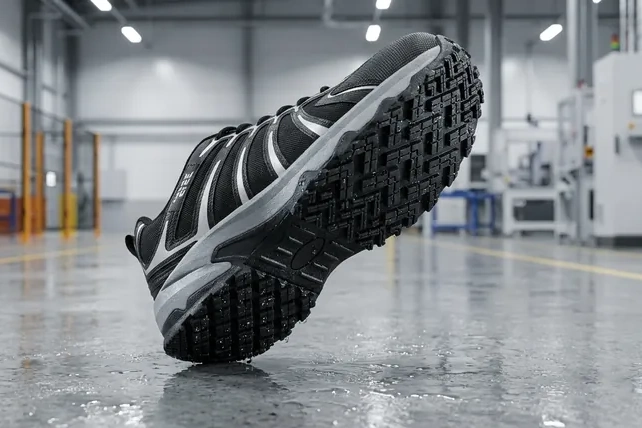
Flexibility Requirements in Modern Footwear Manufacturing
Footwear constantly bends and flexes during use. An adhesive used for rubber outsole bonding must maintain strong adhesion while still allowing flexibility. If the adhesive becomes brittle, the bond may crack over time.
Because of these challenges, footwear manufacturers must carefully select adhesives specifically designed for shoe sole bonding.
Top Adhesives Used for Rubber Shoe Sole Bonding
Several types of industrial adhesives are commonly used in footwear factories to achieve reliable adhesive for rubber sole bonding. Each has its own advantages depending on the shoe design and production process.
Polyurethane Adhesive – The Most Reliable Adhesive for Rubber Shoe Soles
Polyurethane adhesive is widely considered one of the best adhesives for rubber shoe soles in modern footwear manufacturing.
PU adhesives provide excellent bonding strength and flexibility. They perform well when bonding rubber to materials such as EVA, PU midsoles, or fabric uppers. Because shoes experience constant bending and stress, the flexibility of polyurethane adhesives helps maintain strong bonds even after extended wear.
Key advantages include:
-
High bonding strength
-
Excellent flexibility and durability
-
Strong resistance to heat and moisture
For sports shoes, running shoes, and outdoor footwear, polyurethane adhesives are often the preferred adhesive for rubber outsole bonding.
Chloroprene Adhesive – A Traditional but Proven Rubber Sole Adhesive
Chloroprene adhesives, also known as neoprene adhesives, have been widely used in the footwear industry for many years. They are particularly effective for rubber sole bonding in leather shoes and traditional footwear production.
One of the main benefits of chloroprene adhesive is its strong initial tack. This means the materials bond quickly once they are pressed together, which is useful in manual or semi-automated production lines.
Advantages include:
-
Strong initial bonding strength
-
Good compatibility with rubber and leather
-
Reliable performance in traditional shoe manufacturing
Although many factories now use polyurethane adhesives for high-performance footwear, chloroprene adhesives remain a dependable option for many adhesive for rubber soles applications.
Water-Based Adhesive – Eco-Friendly Adhesive for Modern Footwear Production
With increasing environmental regulations, water-based adhesives are becoming more popular in the footwear industry. Many international footwear brands are adopting water-based technologies to reduce solvent emissions.
Water-based adhesives offer several benefits:
-
Low VOC emissions
-
Reduced odor during production
-
Improved workplace safety
While they may require slightly different application processes compared with solvent-based adhesives, modern water-based formulations can still provide strong adhesive for rubber shoe soles performance.
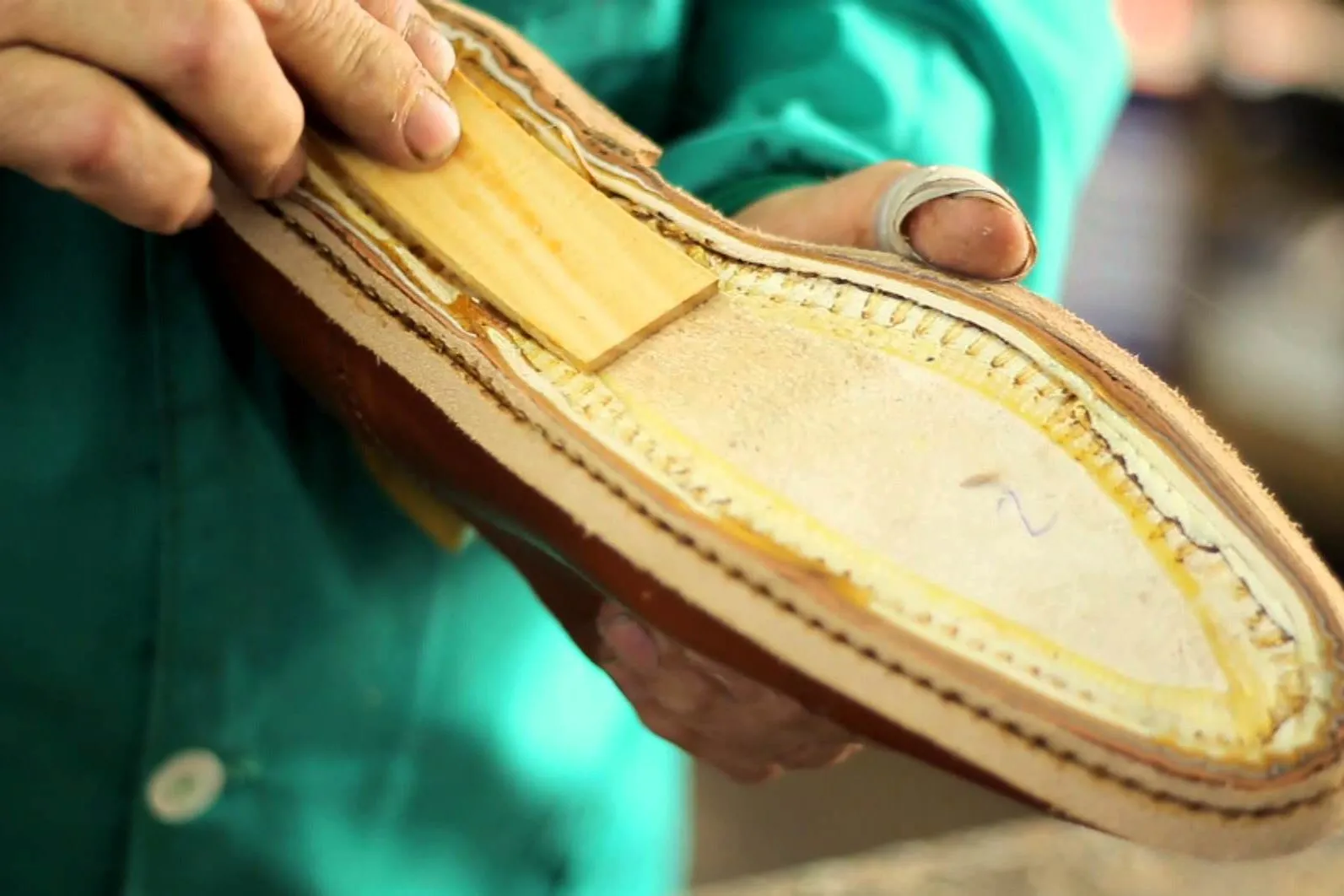
4 Key Factors When Choosing an Adhesive for Rubber Shoe Soles
Selecting the best adhesive for rubber shoe soles depends on several key factors.
Material Compatibility Between Rubber and Upper Components
Different shoes use different combinations of materials, such as rubber, EVA, PU, leather, or textile uppers. The adhesive must be compatible with all materials involved in the bonding process.
Matching Adhesive Performance With Production Processes
Some factories rely on manual bonding, while others use automated production lines. The adhesive should match the factory’s workflow, curing time, and equipment.
Ensuring Long-Term Flexibility and Durability
Footwear adhesives must withstand continuous bending, impact, and environmental exposure. A high-quality rubber sole adhesive should maintain flexibility while providing long-lasting strength.
Meeting Environmental and Export Regulations
Many export markets require compliance with strict environmental standards. Manufacturers may choose water-based adhesives or low-VOC formulations to meet these requirements.
Why Footwear Brands Prefer Working With a Professional Shoe Adhesive Factory
Selecting the right adhesive is only part of the solution. Many footwear manufacturers prefer working with an experienced shoe adhesive factory that can provide specialized bonding solutions for different shoe materials and production methods.
A professional adhesive manufacturer can offer:
-
Customized adhesive formulations
-
Technical support for production lines
-
Solutions for difficult bonding materials such as rubber and EVA
By collaborating with a reliable footwear adhesive manufacturer, shoe factories can improve product quality and reduce production issues such as sole separation or bonding failure.
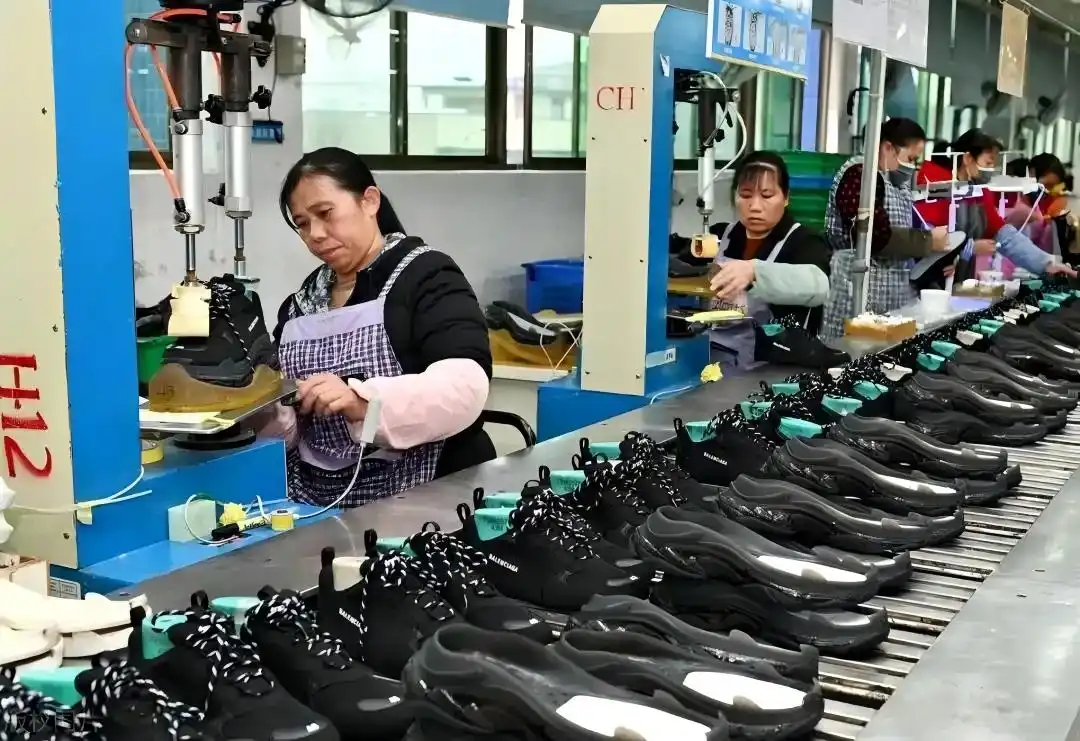
Choosing the Right Rubber Sole Adhesive Improves Footwear Quality
Rubber soles provide durability and traction, but they also present unique bonding challenges in footwear production. Choosing the best adhesive for rubber shoe soles is essential to ensure long-lasting performance and product reliability.
Among the most widely used solutions, polyurethane adhesives offer excellent strength and flexibility, while chloroprene adhesives remain reliable for traditional manufacturing. Water-based adhesives are also gaining popularity due to environmental benefits.
For footwear manufacturers seeking consistent results, partnering with a trusted shoe adhesive factory can provide the expertise and adhesive solutions needed to achieve reliable rubber sole bonding and improve overall production efficiency.
FAQ: Rubber Shoe Sole Adhesives
Q1: What is the best adhesive for rubber shoe soles?
The best adhesive for rubber shoe soles depends on the materials used and the production process. In most footwear manufacturing applications, polyurethane adhesives are considered one of the most reliable options because they provide strong bonding strength, flexibility, and durability. Chloroprene adhesives are also widely used in traditional shoe production, while water-based adhesives are becoming more popular due to environmental regulations.
Q2: Can polyurethane adhesive bond rubber shoe soles effectively?
Yes. Polyurethane Adhesive is widely used in footwear manufacturing for rubber sole bonding. It provides excellent flexibility and high bonding strength, making it suitable for sports shoes, casual footwear, and outdoor shoes. When combined with proper surface preparation and primer, polyurethane adhesives can create long-lasting bonds between rubber soles and upper materials.
Q3: Do rubber shoe soles require primer before bonding?
In many cases, yes. Rubber soles may contain mold release agents or surface contaminants that reduce adhesion. Applying a suitable primer before the adhesive helps improve surface energy and ensures stronger bonding performance. This step is commonly used in professional footwear production lines.
Q4: What causes rubber sole bonding failure?
Rubber sole bonding failure usually occurs due to several factors:
-
Poor surface preparation
-
Incorrect adhesive selection
-
Insufficient drying or curing time
-
Contaminants such as oil or release agents
Using a high-quality adhesive for rubber shoe soles and following proper bonding procedures can significantly reduce these issues.
Q5: How can footwear manufacturers improve rubber sole bonding quality?
Footwear manufacturers can improve bonding performance by selecting the right adhesive system, properly preparing rubber surfaces, and working with an experienced shoe adhesive factory that understands the technical requirements of footwear production. Professional adhesive suppliers can also provide customized formulations and technical guidance for different materials and manufacturing processes.