
When distributors, trading companies, or downstream factories visit an adhesive manufacturer, they often focus on equipment, certificates, or the size of the facility. These things are important, but they rarely tell the full story. During a professional glue factory audit, the real strength of a supplier becomes clear only when you understand how the factory is managed. A strong management system is what keeps production stable, protects product quality, prevents safety failures, and allows the manufacturer to improve over time.
In this article, we explain why governance matters, what a complete management system includes, how buyers can audit these elements on site, and what signals indicate a trustworthy adhesive manufacturer. The goal is simple: help you evaluate whether a glue supplier is reliable, risk-free, and capable of long-term partnership.
The Core Conclusion: Governance Determines the True Stability of a Glue Factory
The most important thing to understand is this:
A factory with weak management cannot produce consistent adhesive, no matter how advanced its equipment is.
This is why every experienced buyer starts a glue factory audit by looking at governance instead of machines. Equipment can be bought, but management culture must be built over years.
A strong management system ensures:
stable batches
predictable lead times
controlled risks
safe handling of solvent-based and water-based products
traceability when problems occur
long-term supply security
In contrast, a poorly managed factory may look impressive on the surface but can easily fall into chaos: poor communication, uncontrolled process changes, unstable raw materials, and repeated customer complaints. This is why governance and the management system are the “hidden core” of a professional glue factory audit.
Why Governance Matters More Than Machines or Capacity
Adhesive manufacturing—especially when a factory handles both solvent-based and water-based systems—requires strict coordination between people, processes, and safety controls. If management is weak, the risks multiply quickly.
Here is why governance is more decisive than equipment:
1. Adhesive production is formula-sensitive.
A small change in raw materials or process conditions can affect bonding performance. Only a strong management system can keep such variables under control.
2. Solvent-based production requires safety discipline.
Explosion-proof zoning, ventilation, waste handling, and emergency plans must be enforced at all times. This depends on management, not hardware alone.
3. Supply stability relies on documentation and planning.
If procurement, inventory, and QC are disorganized, the factory cannot guarantee stable delivery or consistent product quality.
4. Continuous improvement is a management issue.
Factories without governance will repeat the same mistakes over and over.
This explains why governance is always a top priority in any glue factory audit. It is the foundation for stable performance.
What a Complete Management System Includes
A true management system is not just a set of documents in a binder. It is a structure that shapes how the factory thinks, decides, and works every day. A complete system covers the following six pillars:
Pillar 1: Organizational Structure and Responsibilities
A reliable glue factory has:
a clear organization chart
defined responsibilities for each role
independent functions for Quality, Procurement, and EHS
trained managers who understand their duties
Why it matters: When responsibilities overlap or nobody owns a process, quality becomes unstable. Clear roles prevent conflict, reduce delays, and keep production controlled.
Pillar 2: Documented Processes and Standard Operating Procedures (SOPs)
A strong management system includes:
written SOPs for mixing, testing, filling, labeling, warehousing, and packaging
training records
version control (old versions removed)
operators who actually follow the written steps
Why it matters: Adhesive production requires consistency. Without SOPs, every batch becomes a gamble.
Pillar 3: Compliance and Risk Management
This includes:
environmental permits
waste-disposal records
safety zoning for solvent areas
emergency drills
maintenance logs
inspections
Why it matters: Non-compliant factories are high-risk partners. One accident or government action can shut down supply overnight.
Pillar 4: Supplier and Procurement Control
A stable supplier has:
approved vendor lists
raw-material test reports
incoming inspection procedures
traceability system
Why it matters: Adhesive performance starts with raw material quality. Poor control equals unstable batches.
Pillar 5: Change Management
This includes approval for:
formula changes
raw-material substitutions
equipment modifications
process adjustments
Why it matters: The worst situation for buyers is silent product changes. Change management protects product consistency and customer trust.
Pillar 6: Internal Audits, Corrective Actions, and Continuous Improvement
A mature factory will:
identify problems
analyze root causes
create corrective actions
follow up to confirm effectiveness
Why it matters: Good factories grow stronger each year. Poor factories repeat the same mistakes forever.
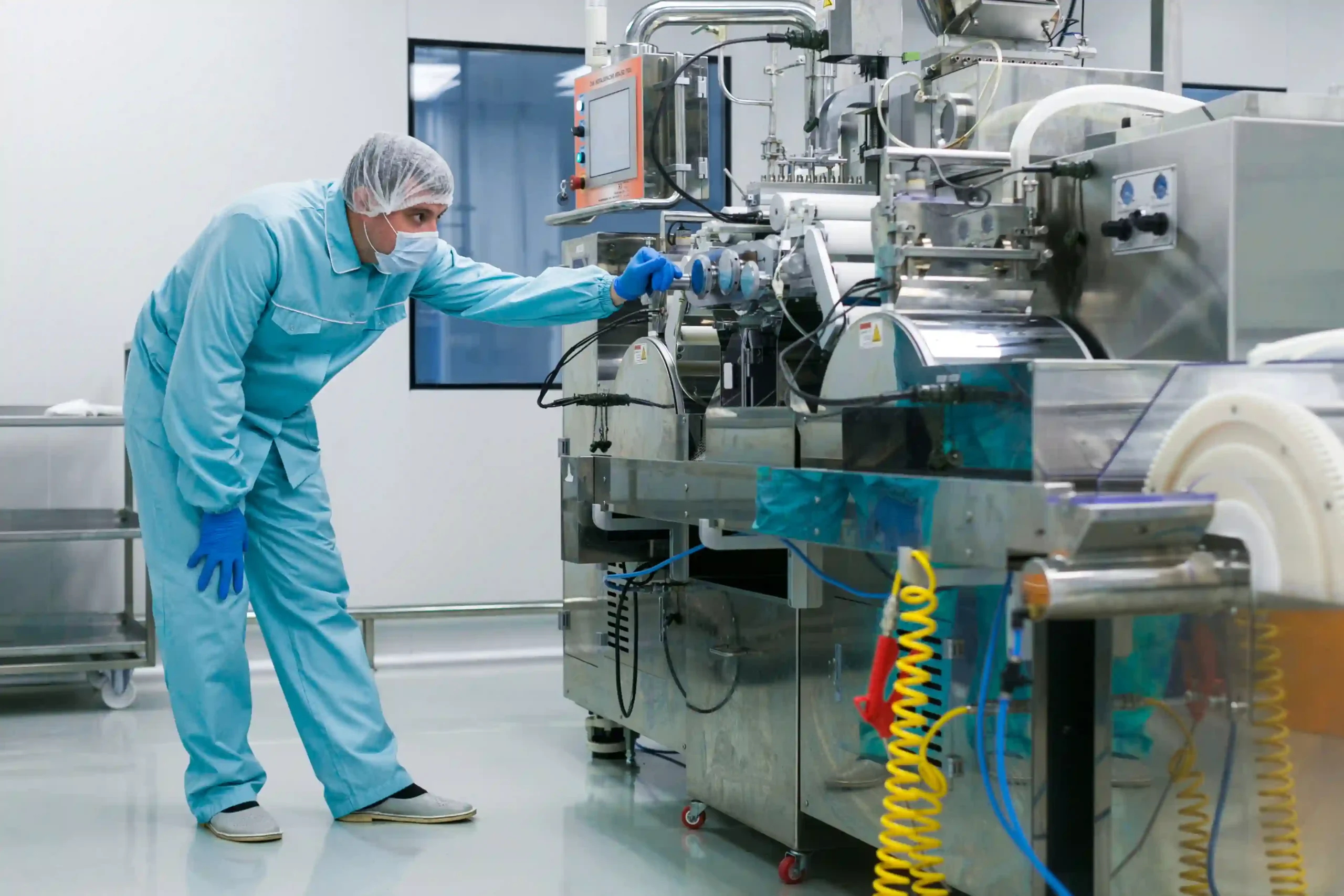
How to Audit a Factory’s Management System During a Glue Factory Audit
A governance review is not abstract. Buyers can easily evaluate the management system using practical on-site checks.
Below are the most useful methods:
1. Review the organization chart
Compare the chart with reality.
Ask who makes decisions.
Check for conflict of interest — for example, the same person in charge of quality and purchasing.
2. Examine SOPs and confirm if the shop floor follows them
Ask operators how they mix, sample, clean, or label materials.
If their answers differ from the SOP, the management system is weak.
3. Check compliance documents
Look for:
hazardous material licenses
VOC treatment records
waste-handling logs
safety training files
A complete compliance system signals maturity.
4. Audit supplier management
Ask to see:
supplier evaluations
raw material specifications
incoming inspection reports
traceability codes
Raw materials are the foundation of glue quality.
5. Ask about recent changes
A strong factory can show:
change request forms
approval signatures
evaluation results
Silent changes are a major red flag.
6. Look at corrective action reports
Check whether:
the factory identifies root causes
actions were implemented
similar issues happened again
This reveals the factory’s ability to “repair itself.”
Red Flags That Show Weak Governance
During a glue factory audit, the following signals deserve attention:
No clear job responsibilities
SOPs exist on paper but not in action
No training records
Frequent formula or raw-material changes
Missing compliance documents
No CAPA or repeated quality complaints
Poor communication between departments
No internal audits
A factory with multiple red flags is not ready for stable long-term cooperation.
What Strong Governance Tells You About a Glue Supplier
A glue factory with a strong management system demonstrates:
1. Stability
Products remain consistent even when staff changes or production volumes increase.
2. Supply Security
The factory can maintain operations without sudden shutdowns.
3. Compliance
Less risk during customer audits and brand checks.
4. Faster Problem-Solving
Issues are addressed quickly and professionally.
5. Long-Term Partnership Value
Good governance is proof of maturity and responsibility.
For distributors, this means fewer complaints, lower risk, and higher customer confidence.

Questions Buyers Should Ask During a Governance Audit
Here are practical and simple questions you can ask on site:
How do you control formula changes?
Can you show me your organizational chart?
What training do operators receive?
How do you approve new raw materials?
Can you show me a recent CAPA?
Who is responsible for EHS decisions?
How do you ensure batch consistency?
These questions help uncover the management culture behind the factory’s operations.
Governance Is the Most Reliable Indicator of a Good Adhesive Manufacturer
A glue factory audit should always go beyond equipment and paperwork. The true measure of a supplier lies in its governance and management system. A strong system ensures that production is stable, risks are under control, and improvements continue over time.
For distributors and buyers, evaluating governance is not optional—it is the key to selecting suppliers who are consistent, compliant, and trustworthy in the long run.
In short:
A strong management system builds strong adhesives. A weak system creates unpredictable results.