
In today’s global adhesive market, identifying a real adhesive manufacturer has become increasingly difficult. Many suppliers present themselves as manufacturers, yet operate as trading companies, OEM coordinators, or intermediaries with limited control over production and quality. For distributors and industrial buyers, this confusion is more than a labeling issue—it directly affects supply chain stability, product consistency, and long-term business risk.
This article provides a practical, professional framework to help buyers verify whether they are truly working with a real adhesive manufacturer. Rather than relying on marketing claims, we will examine structural indicators such as R&D capability, production control, quality accountability, and technical support. The goal is not to discredit trading companies, but to clarify the risks and differences so procurement decisions can be made with confidence.
Why Verifying a Real Adhesive Manufacturer Matters More Than Ever
The adhesive industry has become more competitive and fragmented. Price pressure, private labeling, and outsourced production are common. While these models can reduce short-term costs, they often introduce hidden risks that only surface after products enter real production environments.
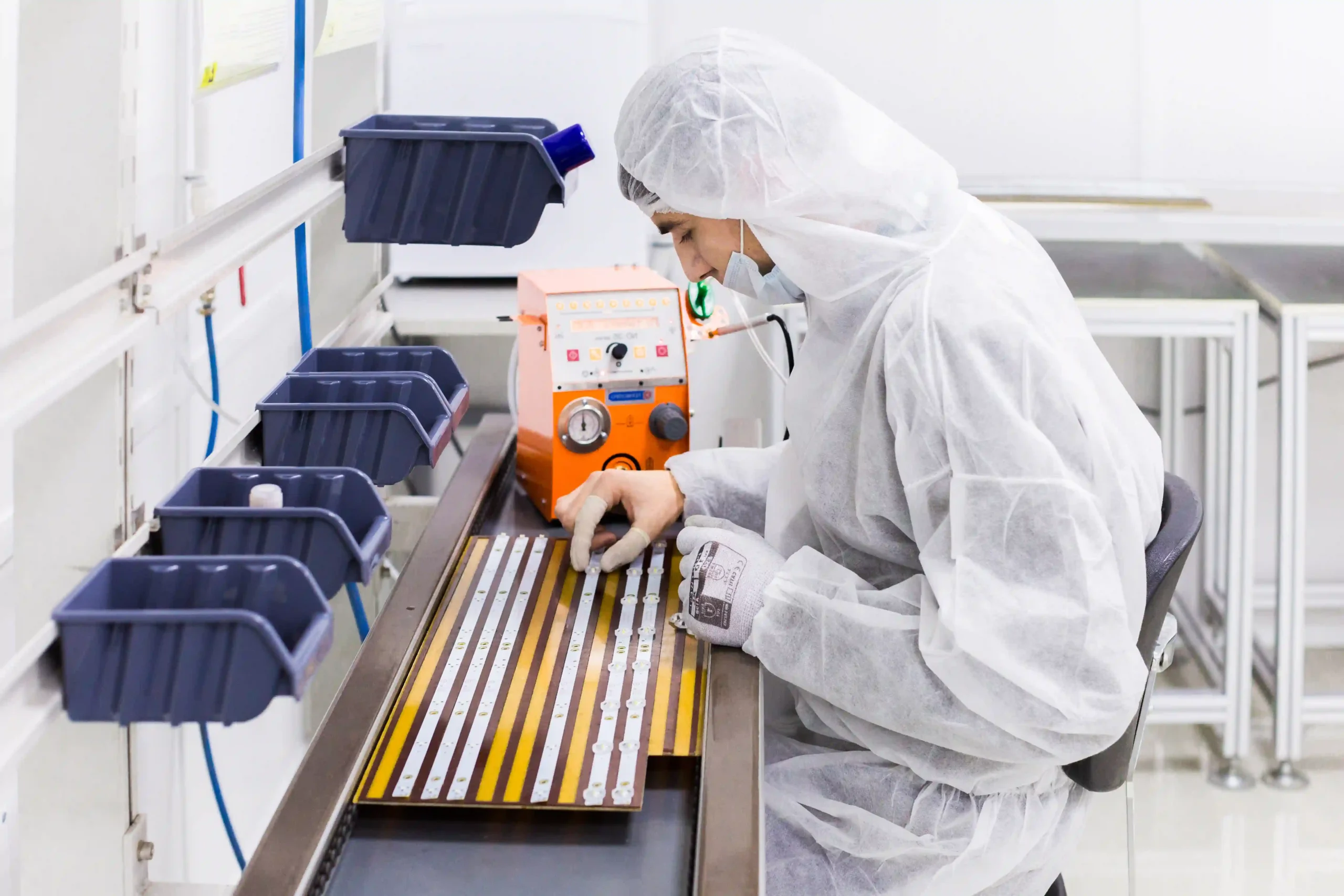
When buyers fail to verify a real adhesive manufacturer, they may face inconsistent batches, delayed problem resolution, unclear responsibility during failures, and limited technical support. Over time, these issues can damage customer relationships and erode trust in the distributor’s own brand.
Verifying manufacturer identity is no longer optional—it is a core part of supplier risk management.
Manufacturer, Trading Company, and the Gray Area in Between
The Structural Difference
A real adhesive manufacturer owns or directly controls the production process. This includes formulation development, raw material selection, manufacturing equipment, quality systems, and technical personnel. Decisions are made internally, and responsibility remains within the same organization.
A trading company, by contrast, typically sources products from one or multiple factories. While some trading companies are well-organized and experienced, they do not control production at a technical level. Their role is coordination rather than manufacturing.
The “Manufacturer-Looking” Trading Company
One of the biggest challenges for buyers is the gray area between these models. Some trading companies present factory photos, certificates, and product data that appear convincing. However, these assets often belong to partner factories rather than the trading company itself.
The key question is not what documents are shown, but who actually controls the process behind them.
R&D Capability: A Core Indicator of a Real Adhesive Manufacturer
R&D capability is one of the hardest attributes to imitate. A real adhesive manufacturer maintains an internal research and development team responsible for formulation design, performance testing, and continuous improvement.
When evaluating a supplier, buyers should ask:
Can the supplier modify formulations for specific applications?
Can they explain why a certain adhesive performs differently under heat, humidity, or pressure?
Do they conduct internal testing or rely on external reports?
Manufacturers can answer these questions with technical clarity because R&D is part of their daily operations. Trading companies often depend on factory feedback, which introduces delays and limits depth.
Control Over Raw Materials and Formulations
Adhesive performance depends heavily on raw material quality and consistency. A real adhesive manufacturer establishes long-term relationships with raw material suppliers, conducts incoming inspections, and understands how substitutions affect performance.
Trading companies rarely control raw material sourcing. When upstream factories change suppliers due to cost or availability, the trading company may not be informed in detail. This can lead to unexpected formulation changes and batch inconsistency.
Buyers working with a real adhesive manufacturer benefit from greater transparency and predictability at this critical level.
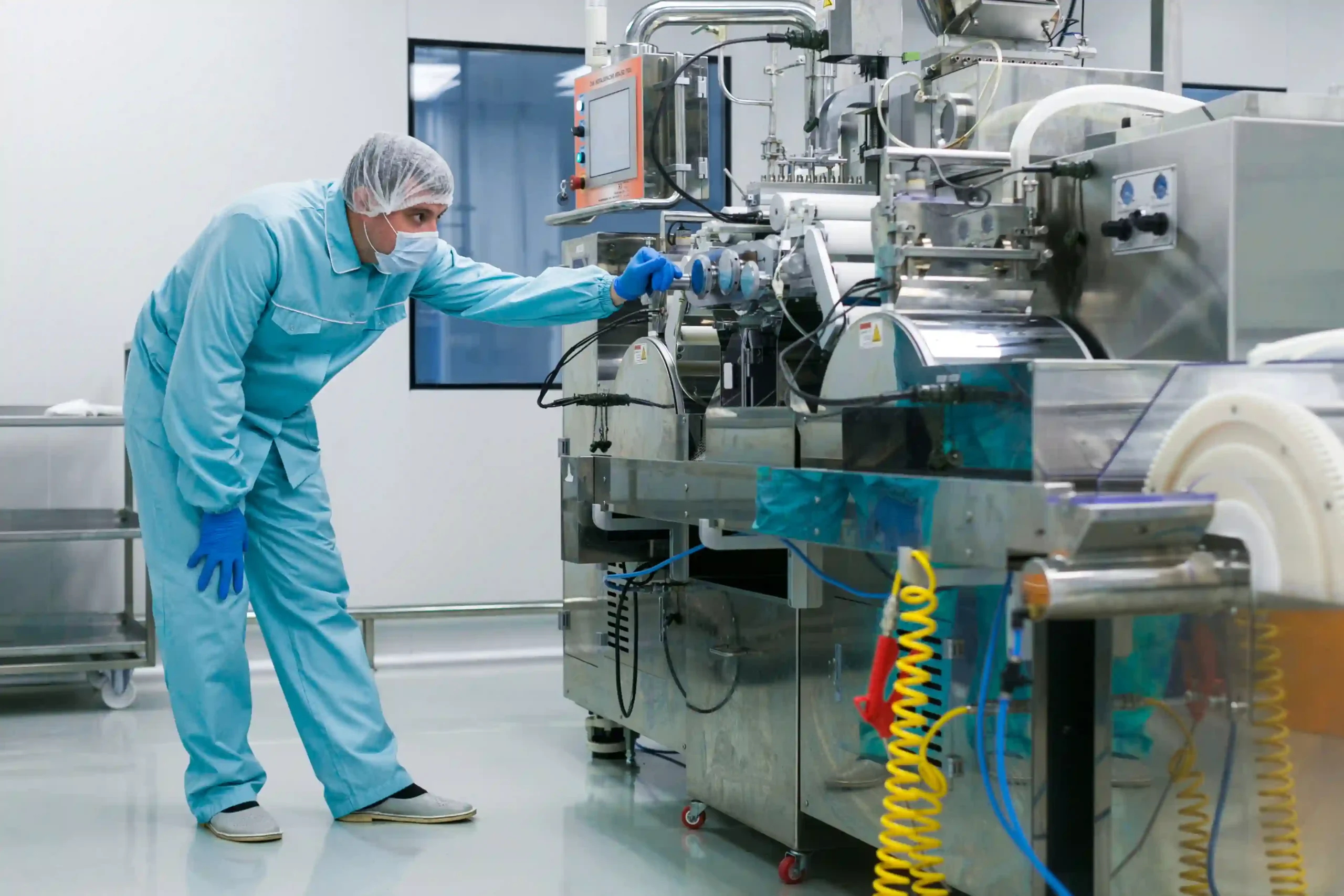
Production Process Transparency
Real manufacturers can explain their production processes in detail. They understand reaction mechanisms, mixing sequences, curing behavior, and process limitations. More importantly, they can explain why certain parameters matter.
For example, a manufacturer can clarify:
Why a batch requires a specific reaction time
How temperature control affects viscosity
What process changes are possible—and which are not
Trading companies usually focus on output metrics such as lead time and MOQ, but cannot provide meaningful insight into process stability. This lack of transparency increases sourcing risk, especially for high-performance or customized adhesives.
Quality Control and Accountability
Quality control is not just about inspection—it is about responsibility. A real adhesive manufacturer designs and maintains its own QC system, including batch tracking, retention samples, and failure analysis procedures.
When quality issues arise, manufacturers can trace problems back to raw materials, process steps, or formulation changes. Corrective actions are implemented internally and verified.
With trading companies, quality issues often involve multiple parties. Responsibility can become fragmented between the trader and the factory, making root-cause analysis slower and less effective. For distributors, this creates uncertainty and weakens confidence when dealing with downstream customers.
Technical Support That Solves Problems
In adhesive applications, technical support is often the decisive factor during production challenges. A real adhesive manufacturer provides technical support that is directly linked to R&D and production teams.
This allows manufacturers to:
Analyze failures at a formulation level
Recommend process adjustments
Modify products when necessary
Trading companies usually act as intermediaries, forwarding technical questions to factories. While this can work for simple inquiries, complex application issues often require faster and deeper technical involvement than an indirect model can provide.
Factory Audits: What to Look for Beyond the Tour
Factory audits are a valuable tool—but only when conducted with the right focus. During an audit, buyers should look beyond surface-level impressions and ask targeted questions.
Indicators of a real adhesive manufacturer include:
On-site laboratories with active testing
R&D and QC teams working within the facility
Clear separation between raw material storage, production, and finished goods
Engineers who can answer technical questions without deferring to others
A warehouse-focused operation with limited technical staff may indicate a trading or coordination model rather than true manufacturing.
Certifications and Compliance Responsibility
Certifications such as ISO, REACH, and RoHS are often presented as proof of manufacturing capability. However, buyers should verify who maintains these certifications.
A real adhesive manufacturer actively manages compliance documentation, updates technical data sheets, and responds to regulatory changes. Trading companies often depend on factories for updates, which can result in outdated or incomplete documentation.
Compliance is not static—it requires continuous technical involvement.

Common Buyer Mistakes When Identifying a Manufacturer
Many buyers unintentionally increase risk by relying on surface indicators:
Assuming price competitiveness equals manufacturing capability
Treating product datasheets as proof of technical ownership
Equating fast responses with technical depth
These assumptions can lead to partnerships that perform well initially but fail under pressure. A systematic verification approach is far more reliable.
A Practical Checklist to Verify a Real Adhesive Manufacturer
Before finalizing a supplier, buyers should ask:
Who owns and modifies the formulation?
Who controls raw material sourcing?
Who manages production and QC?
Who takes responsibility when problems occur?
Who provides technical support during application failures?
Suppliers that can answer these questions clearly and consistently are far more likely to be a real adhesive manufacturer.
الخلاصة
Verifying a real adhesive manufacturer is ultimately about identifying control, accountability, and technical depth. While trading companies can play a role in certain sourcing strategies, distributors seeking long-term stability, consistent quality, and strong technical backing benefit most from working directly with manufacturers.
In an industry where performance failures carry real commercial consequences, understanding who truly stands behind the product is one of the most important decisions a buyer can make.